Xinjiang Travel Guide

Introduction to Xinjiang

Xinjiang, officially the Xinjiang Uygur Autonomous Region, is situated in northwestern China. As the country's largest provincial-level division, it spans approximately 1.66 million square kilometers, accounting for roughly one-sixth of China's total territory. 

Xinjiang shares borders with eight nations: Russia, Kazakhstan, Kyrgyzstan, Tajikistan, Pakistan, Mongolia, India, and Afghanistan, positioning it as a vital gateway for China's connections with Central and Western Asia.

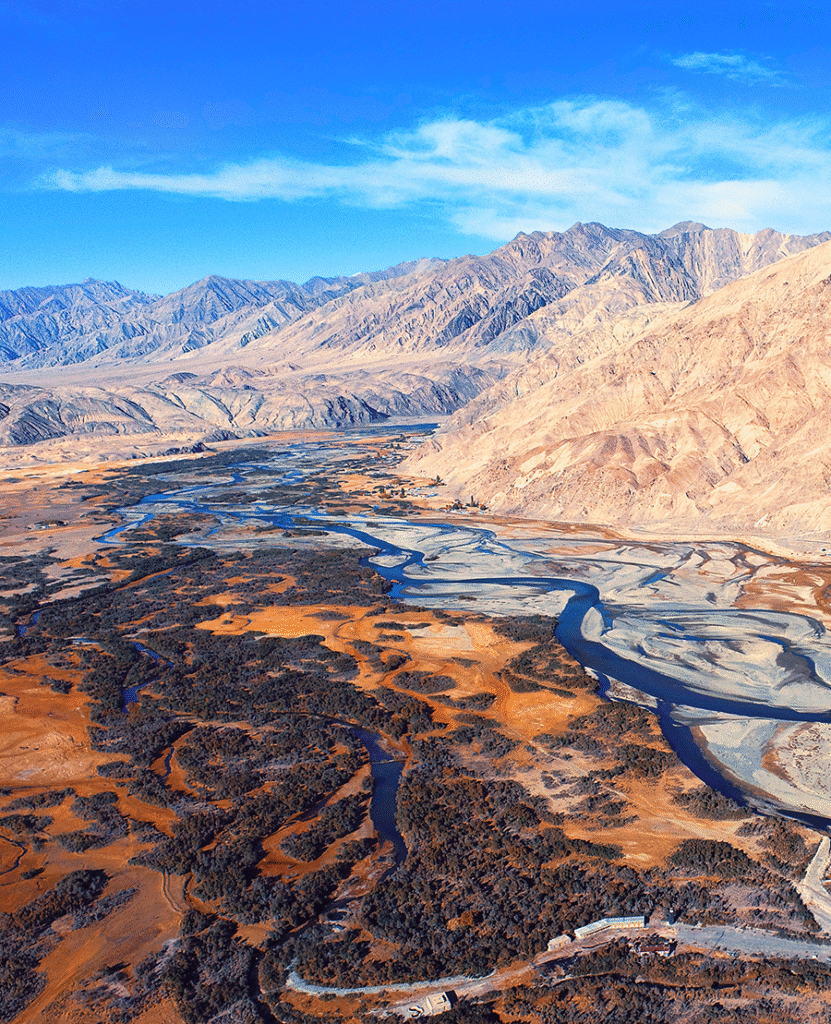
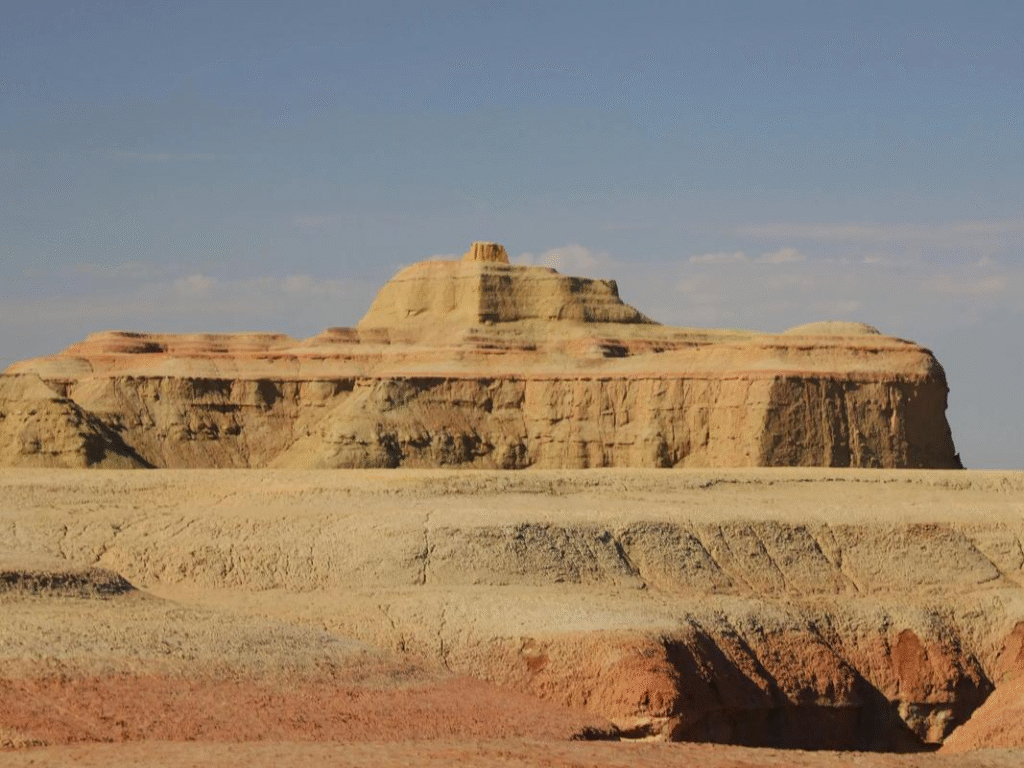
Xinjiang’s geography is remarkably diverse, encompassing vast deserts like the Taklamakan, majestic mountain ranges such as the Tianshan and Kunlun, and fertile basins including the Tarim and Junggar. 

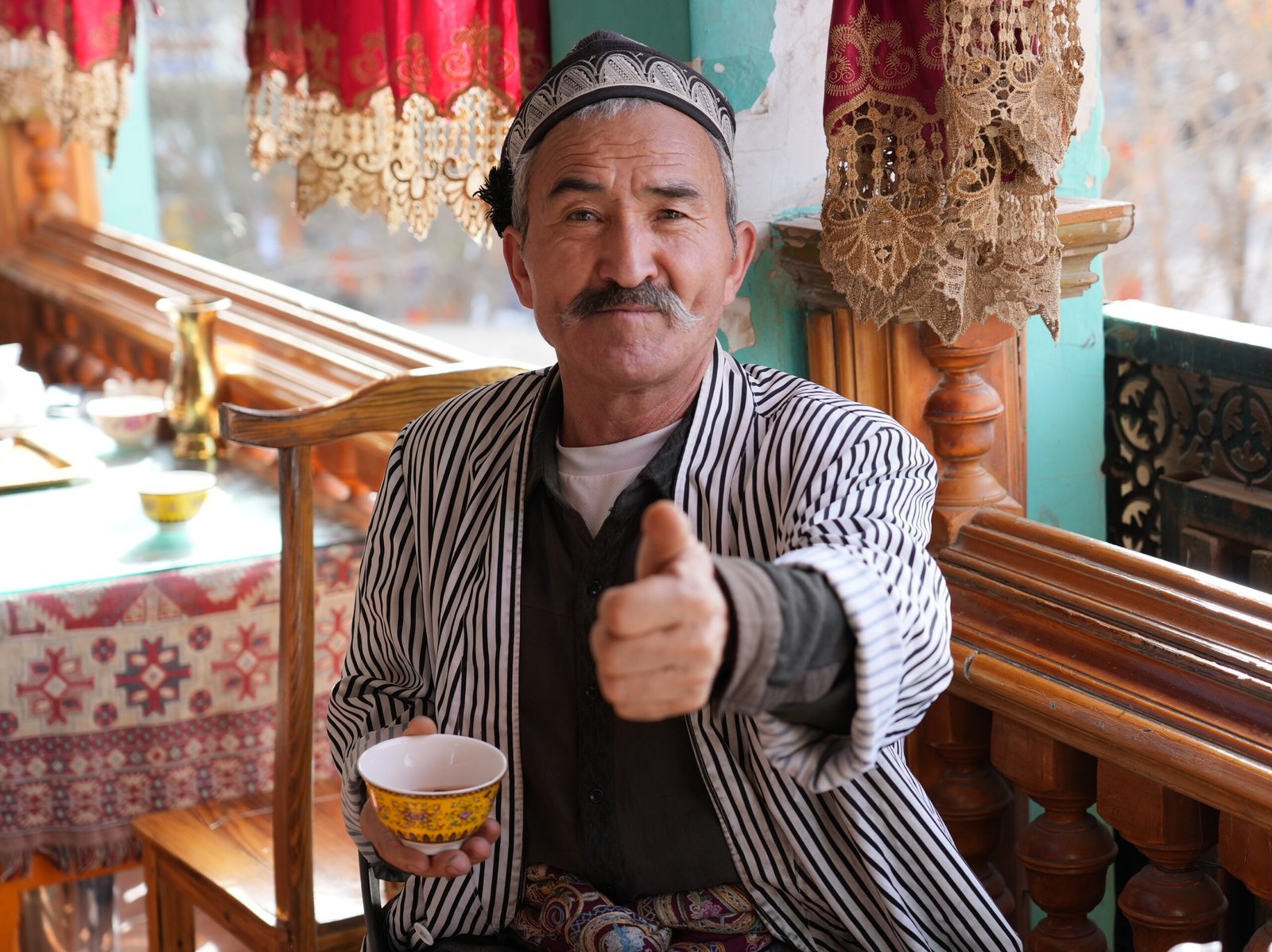
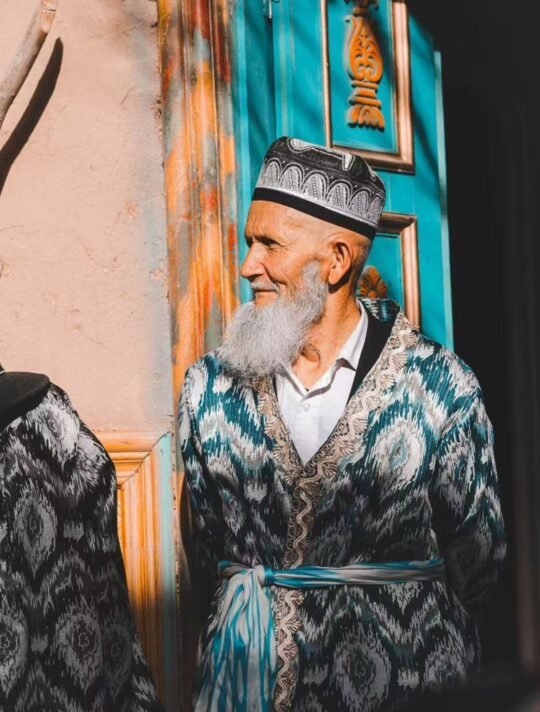
Xinjiang is home to over a dozen ethnic groups, including Uyghur, Han, Kazakh, and Hui. This rich tapestry blends diverse languages, crafts, cuisines, and traditions — from Islamic architecture to Central Asian music — creating a unique cultural crossroads along the ancient Silk Road.
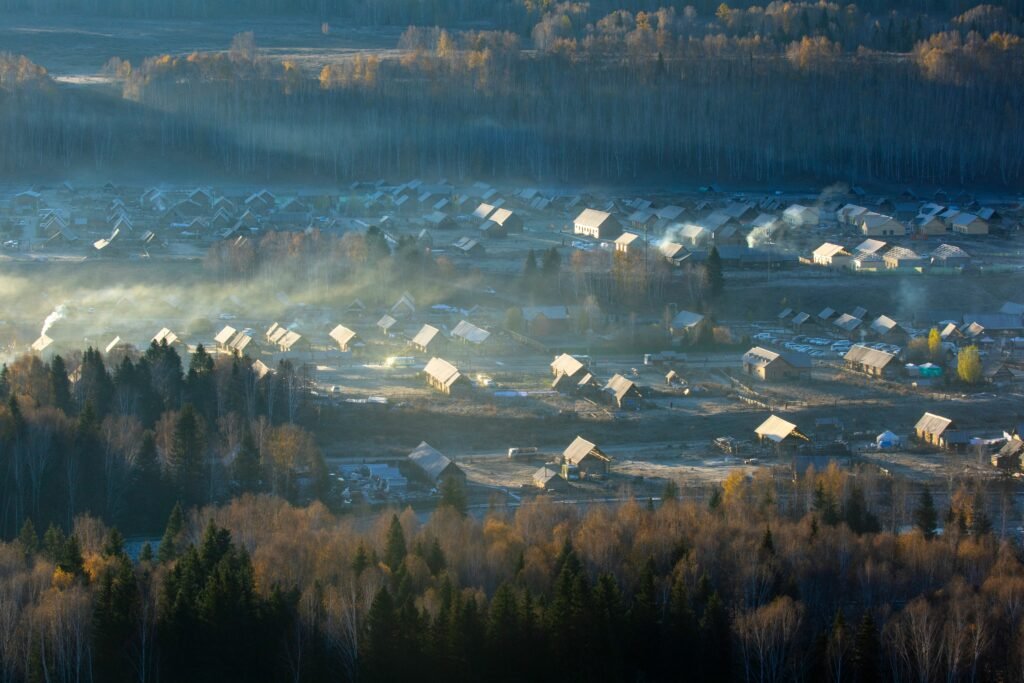
Northern Xinjiang: Eurasian Crossroads

Ethnic Groups: Dominated by Kazakh, Mongolian, and Tuva communities, Northern Xinjiang’s culture is rooted in nomadic traditions. The Ili Valley, historically called “West Xinjiang,” blends influences from Central Asia and Russia.

Architecture:

  • Yurts (Gers): Mobile felt tents adorned with embroidered textiles

  • Wooden Villages: Hemu, Kanas, and Baihaba feature alpine-style log cabins with steep roofs

Cultural Highlights:

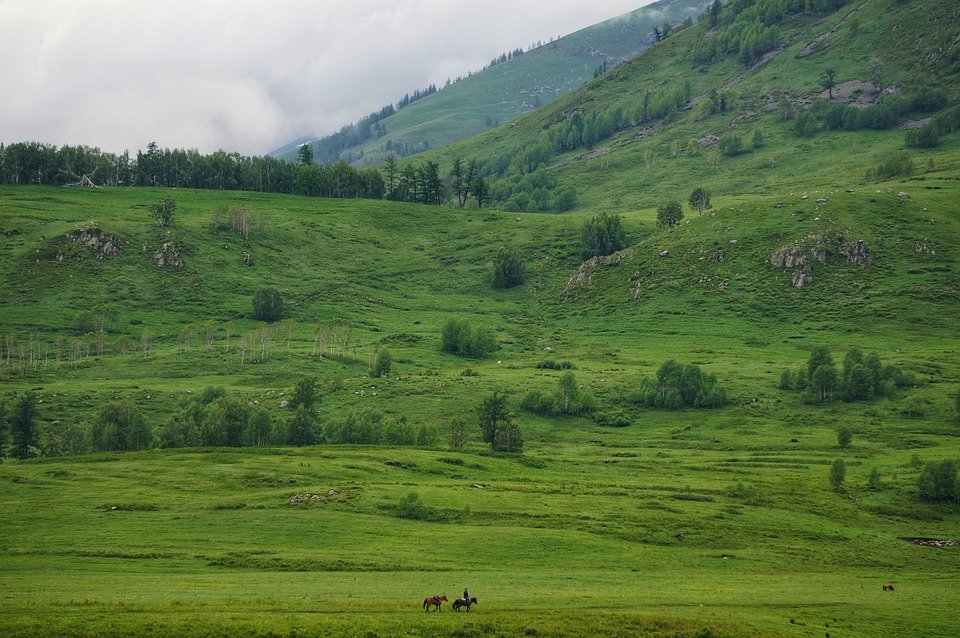
  • Equestrian Culture: Horse racing, eagle hunting, and Kokpar (a Central Asian polo-like game)

  • Music & Crafts: Kazakh dombra, Tuva throat singing, intricate felt carpets

Attractions:

  • Altay Region: Kanas, Hemu, Baihaba, Koktokay & No.3 Mine, World Ghost Town, Rainbow Beach

  • Ili Region: Duku Highway, Lavender Fields, Nalati Grassland, Sayram Lake, Kazanqi Folk Village, Guozigou Bridge

Hemu

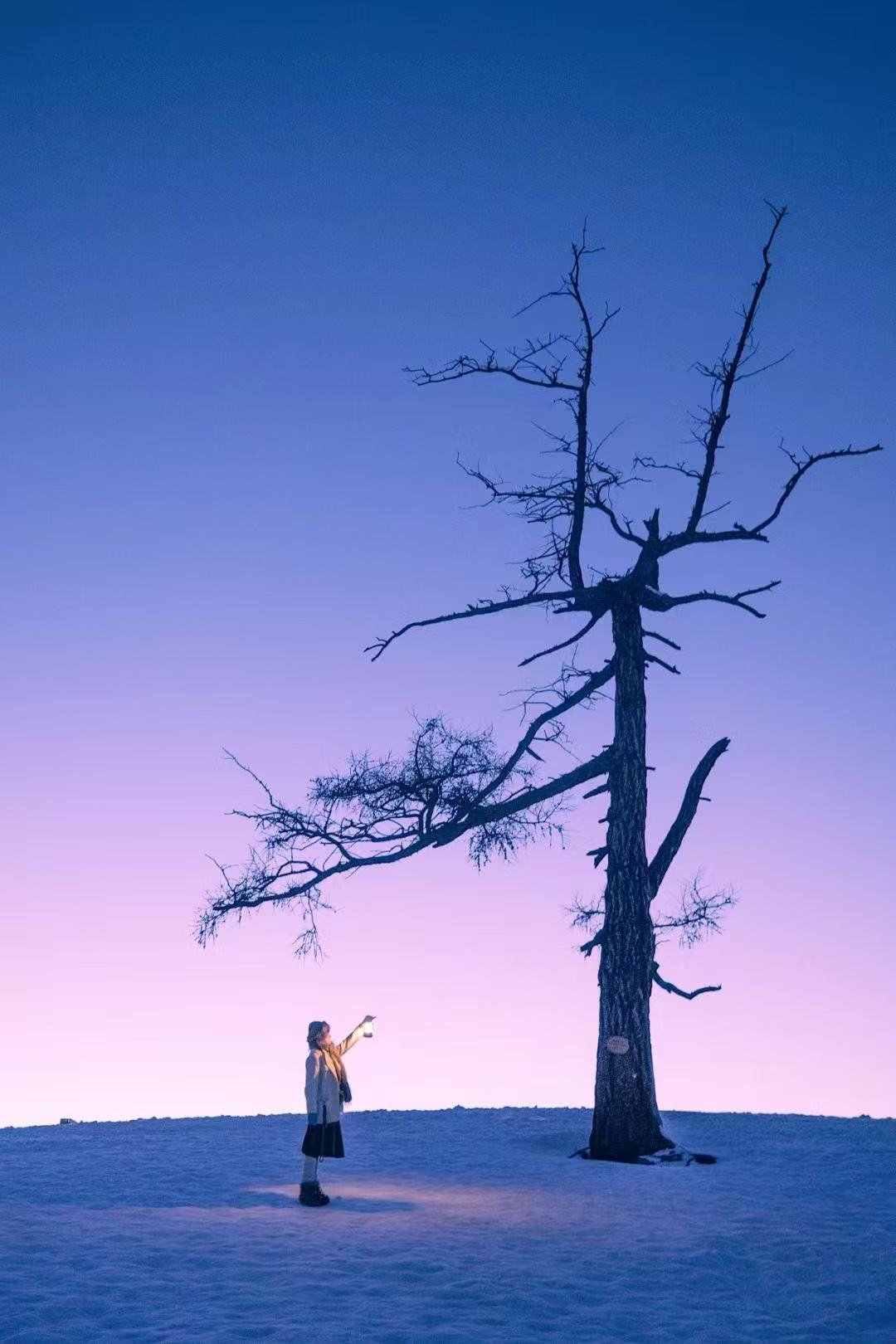
Nestled in the Altai Mountains of northern Xinjiang, Hemu is the largest surviving Tuvan village in China. Its iconic log cabins, built from red pine without a single nail, feature steep roofs to shed heavy snow. The turquoise Hemu River and golden birch forests frame this remote paradise. Climb the Haden Viewing Platform at dawn for mesmerizing morning mist and sunrise. In autumn, the village glows in gold; in winter, it becomes a snow fairy tale. A perfect escape into pristine nature and ancient nomadic culture.

Lake Sayram

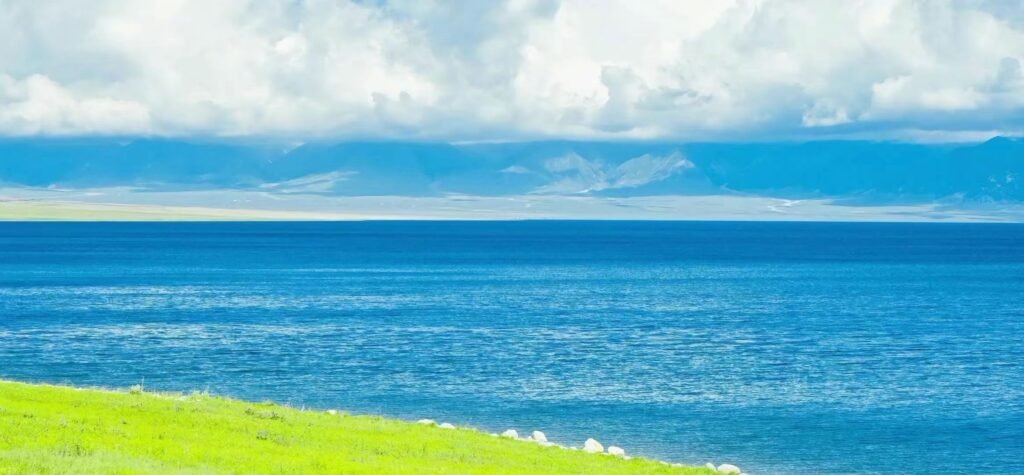
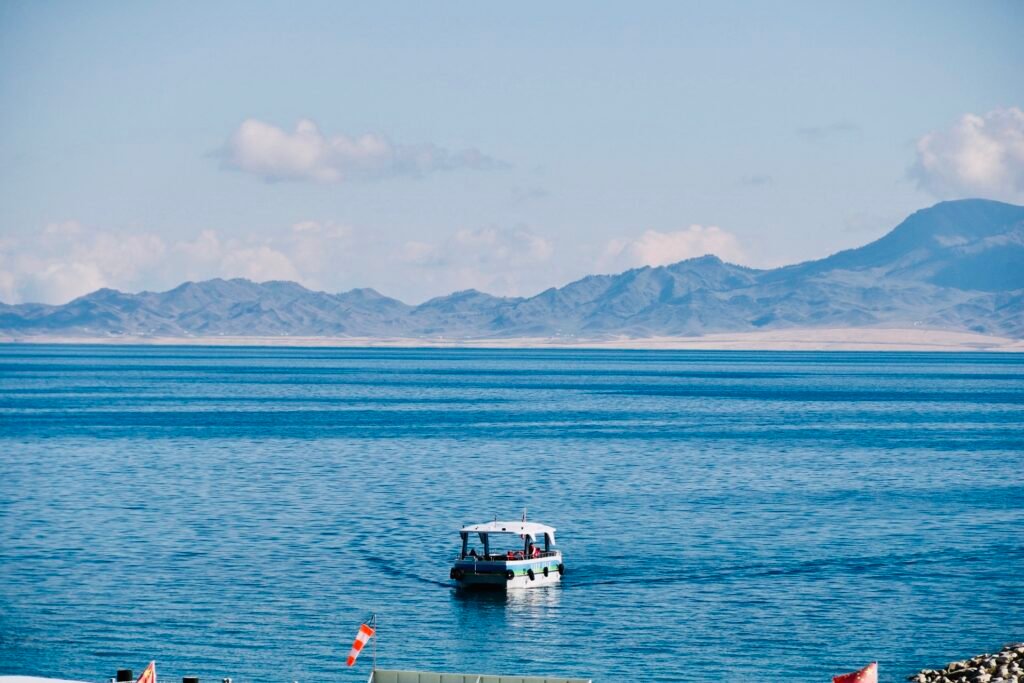
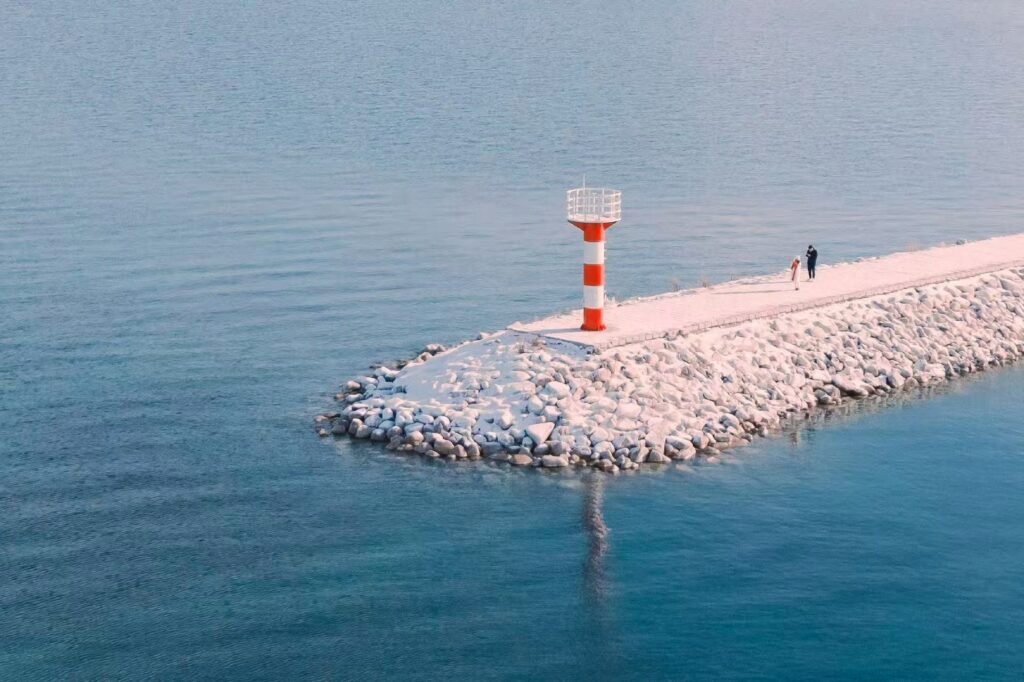
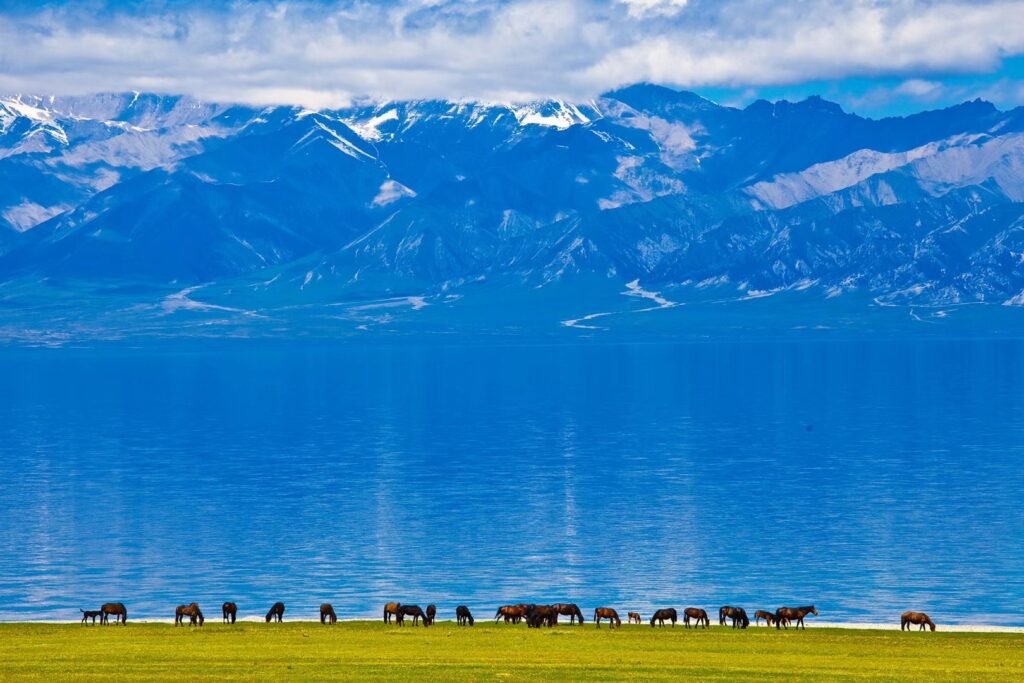
"Not visiting Sayram Lake is like living in vain". That's how much Sayram Lake weighs in the hearts of the Chinese people. Located on the northern Silk Road route, Sayram Lake is the province's largest alpine lake, sitting at 2,073 meters above sea level. Known for its crystal-clear, turquoise waters and surrounding snow-capped peaks, the lake remains ice-free in winter despite subzero temperatures. In summer, wildflowers blanket the meadows along its 90‑km shoreline. A favorite for photographers and nature lovers, Sayram Lake offers pristine beauty and a peaceful escape into Xinjiang's highland wilderness.

Southern Xinjiang: Heart of the Silk Road

Human & Cultural Identity
Ethnic Groups: The majority are Uyghur, with Tajiks and Kyrgyz in the Pamirs. South Xinjiang is the epicenter of Uyghur culture, shaped by millennia of Silk Road exchanges.

Architecture:

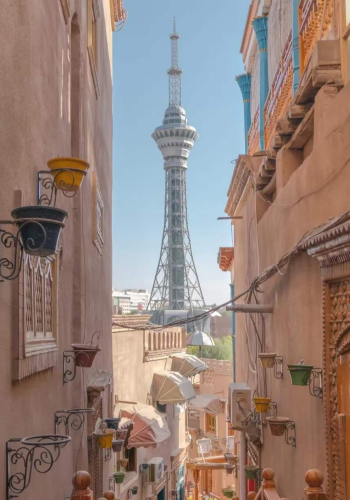
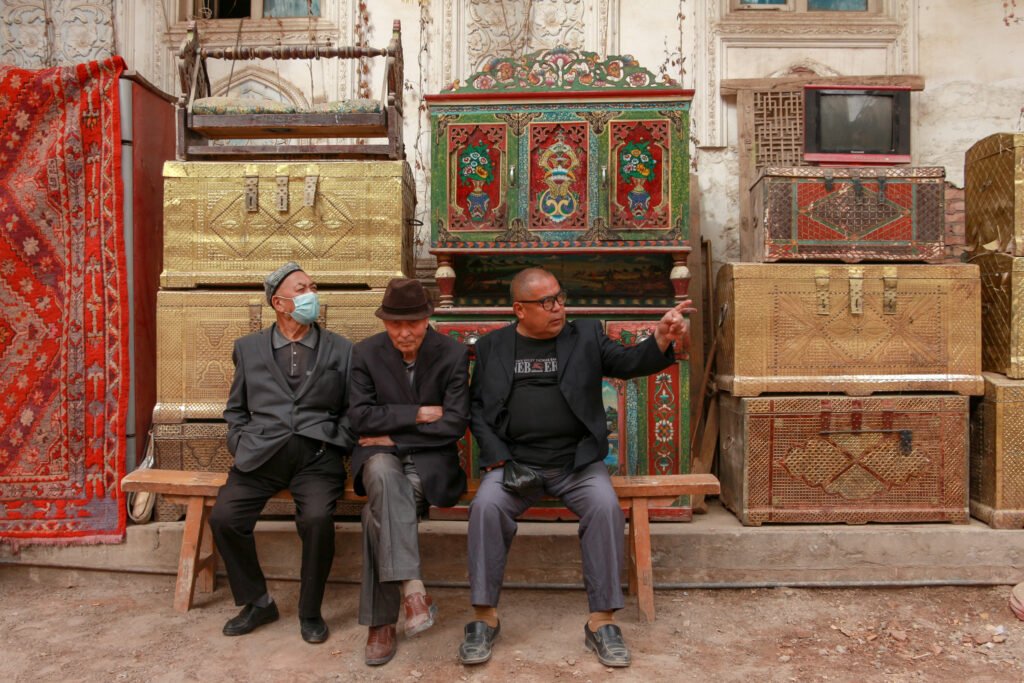
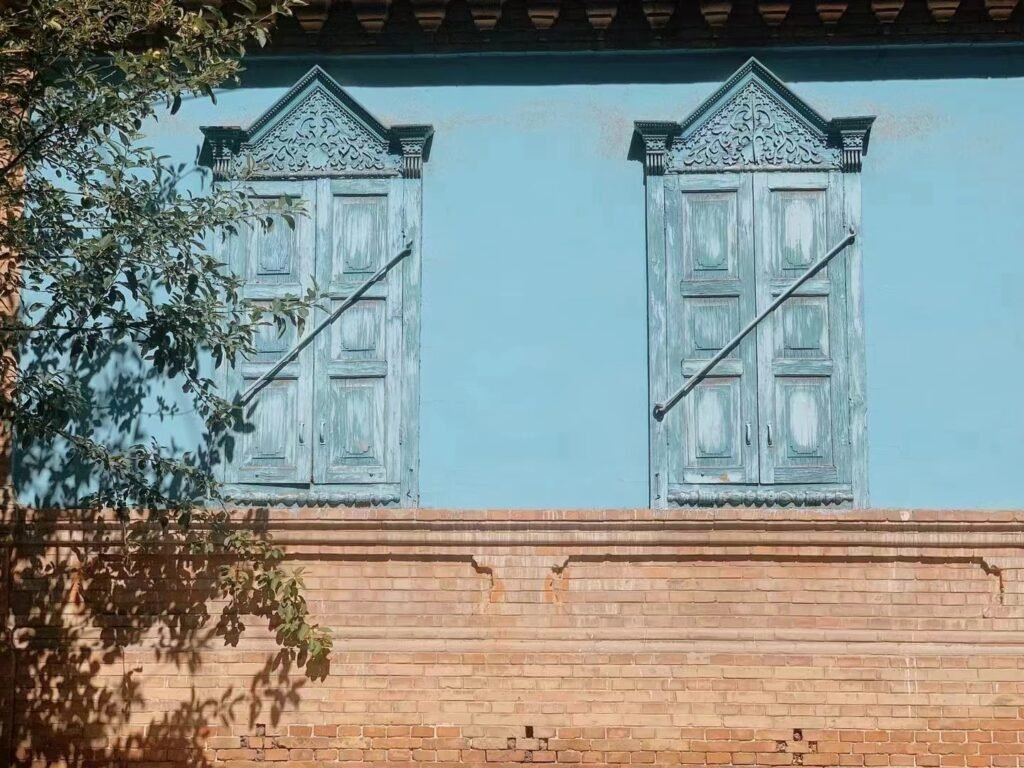
  • Islamic Vernacular: Kashgar’s Old City features mud-brick houses with ornate wooden balconies and hidden courtyards.

  • Religious Landmarks: Id Kah Mosque (China’s largest) and Apak Hoja Mausoleum blend Persian and Timurid styles.

Cultural Highlights:

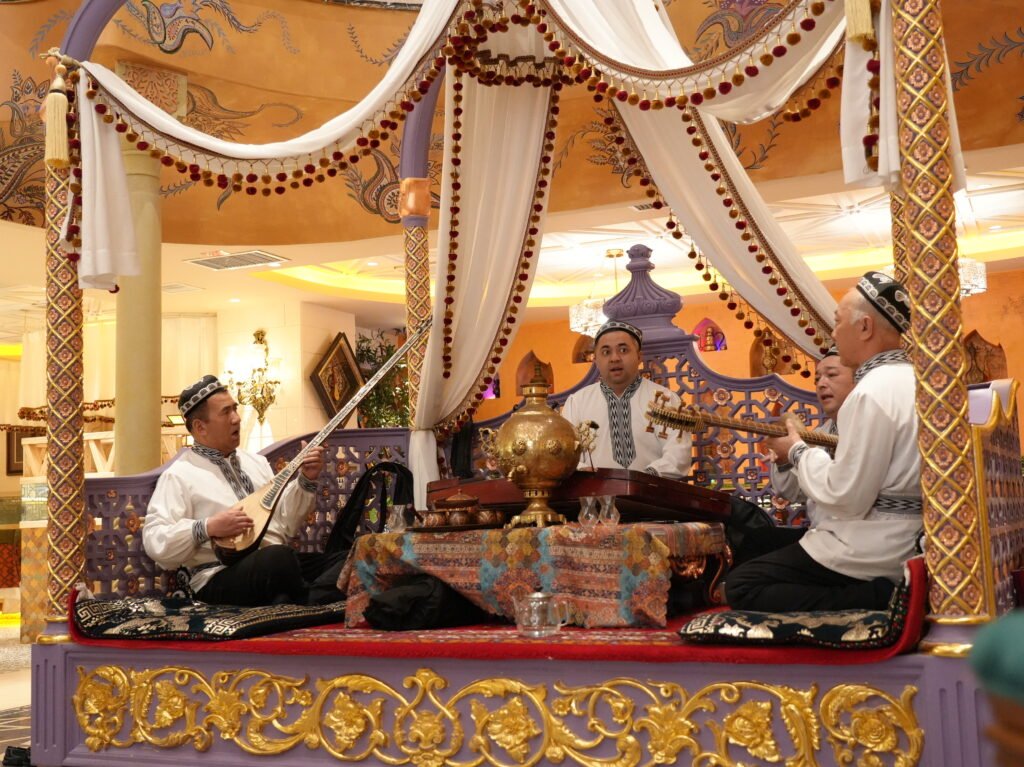
  • Twelve Muqam: A UNESCO-listed Uyghur musical tradition

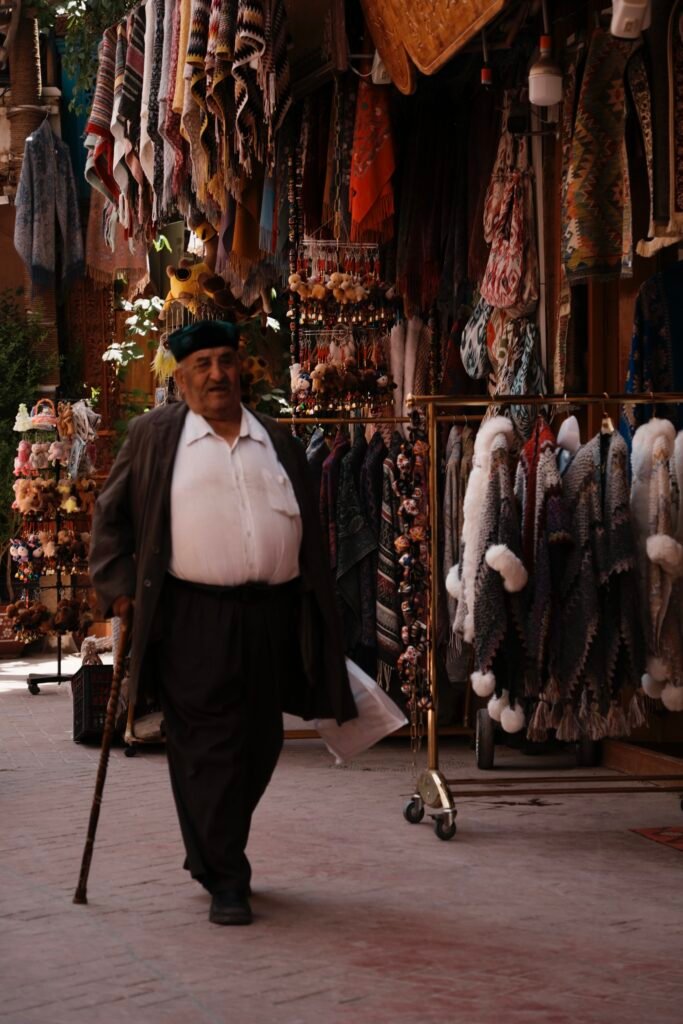
  • Bazaars: Kashgar’s Sunday Market, Yarkand’s copperware, silk, and knife workshops

Cuisine: Lamb kebabs, nang (flatbread), pomegranate dishes

Attractions by Region:

  • Kashgar: Old City, Id Kah Mosque, Sunday Bazaar, Apak Hoja Tomb (Fragrant Concubine Tomb), Karakoram Highway, Taklamakan Desert, Silk Road routes

  • Hotan: Jade Market, Museum, Taklamakan Desert, Melikawat Ancient City Ruins

  • Aksu: Tianshan Grand Canyon, Kizil Thousand-Buddha Caves, Tomur Peak

  • Kuqa: Old City, Subash Buddhist Ruins

  • Korla: Bosten Lake, Lop Nur

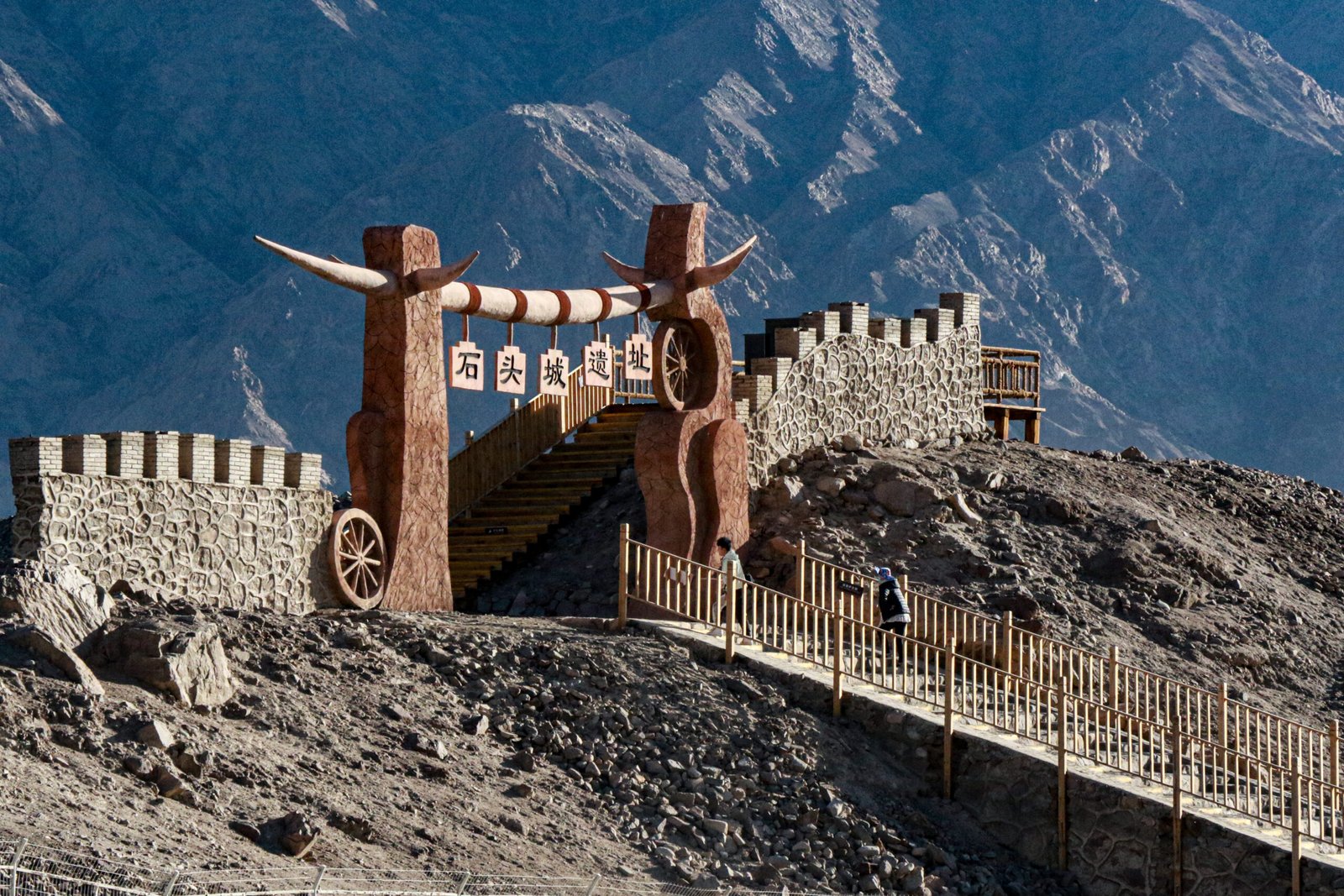
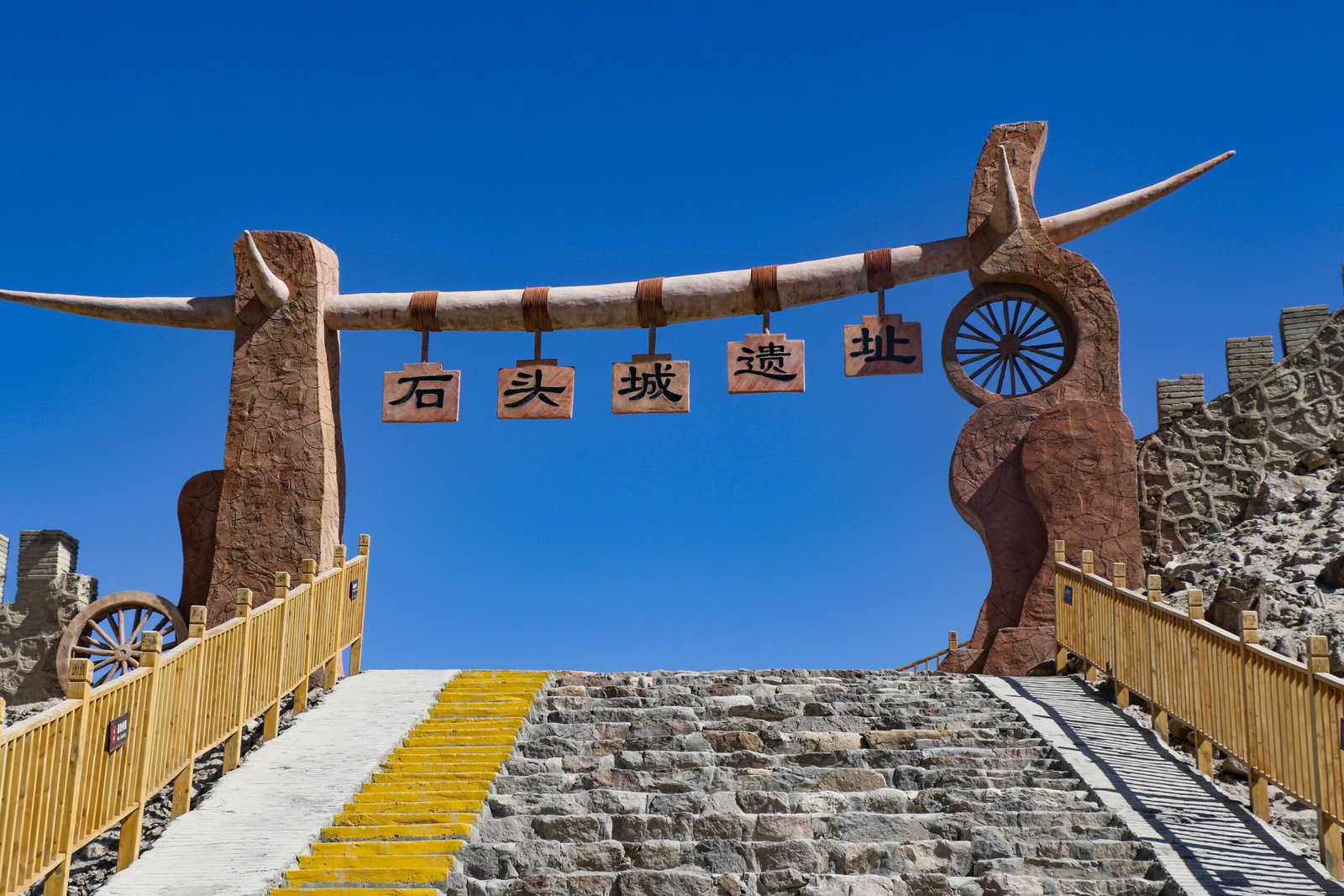
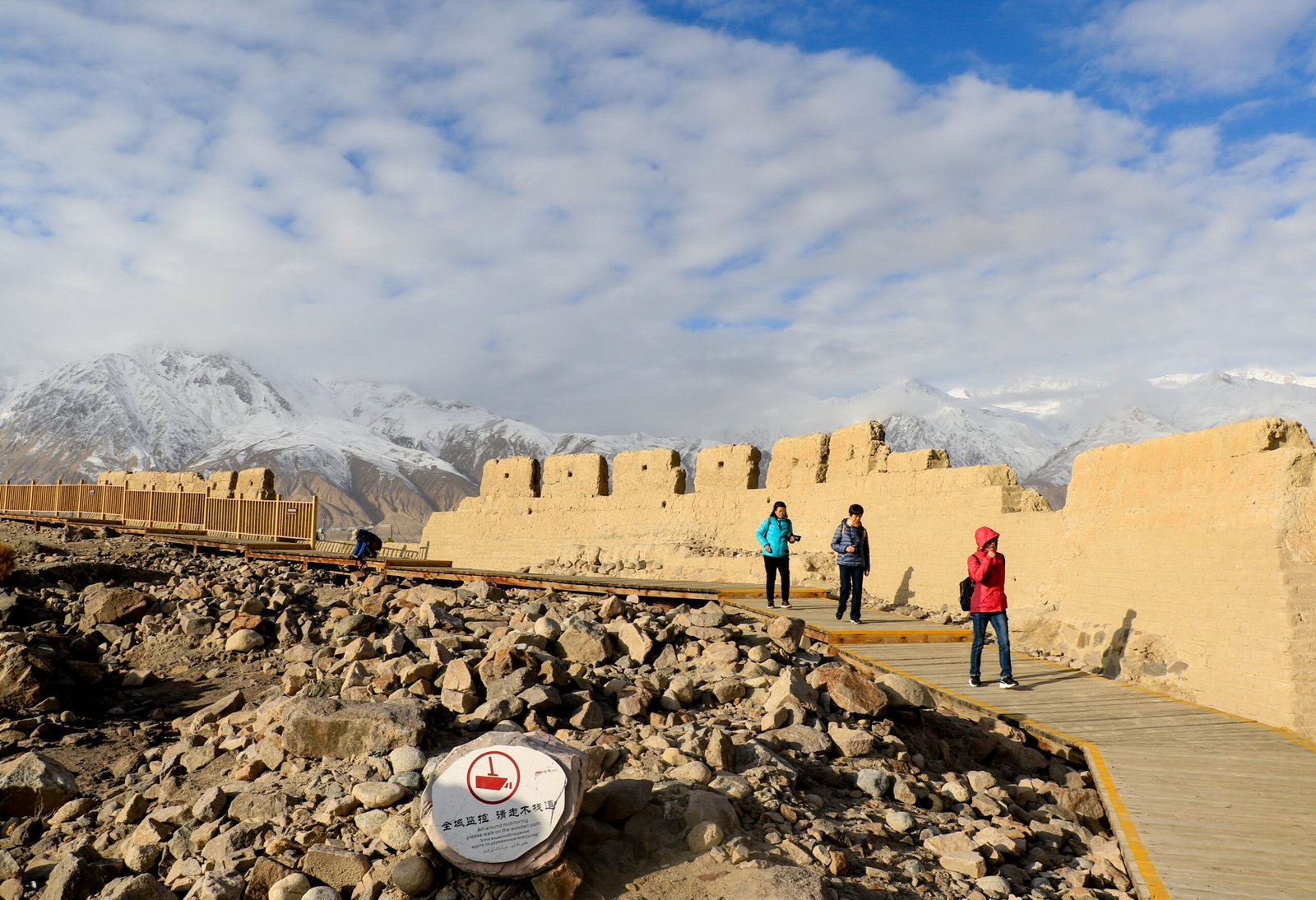
  • Taxkorgan (Pamirs): Karakul Lake, Stone City, Pamir Plateau (Note: these are in Kashgar region, not Hotan)

  • Yarkand: Khanate Mausoleum, Old City

Kashgar Old City

For over 2,000 years, Kashgar stood at the Silk Road crossroads. The Old City remains the heart of Uyghur culture, with mud-brick houses, wooden balconies, and hidden courtyards. The 500-year-old Id Kah Mosque is China's largest. The Sunday Bazaar continues a millennia-old trading tradition. Kashgar is home to the Twelve Muqam – a UNESCO-listed Uyghur musical heritage. Walking its alleys, you'll hear coppersmiths, smell fresh nang bread, and feel the living legacy of the ancient Silk Road.
图片15

Pamir Plateau

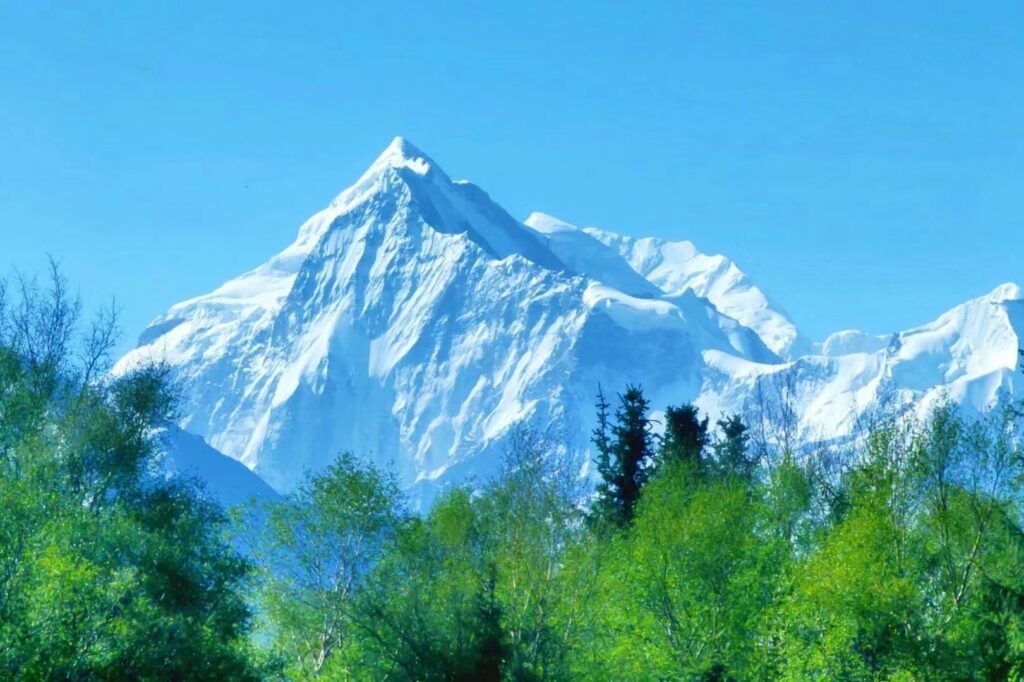
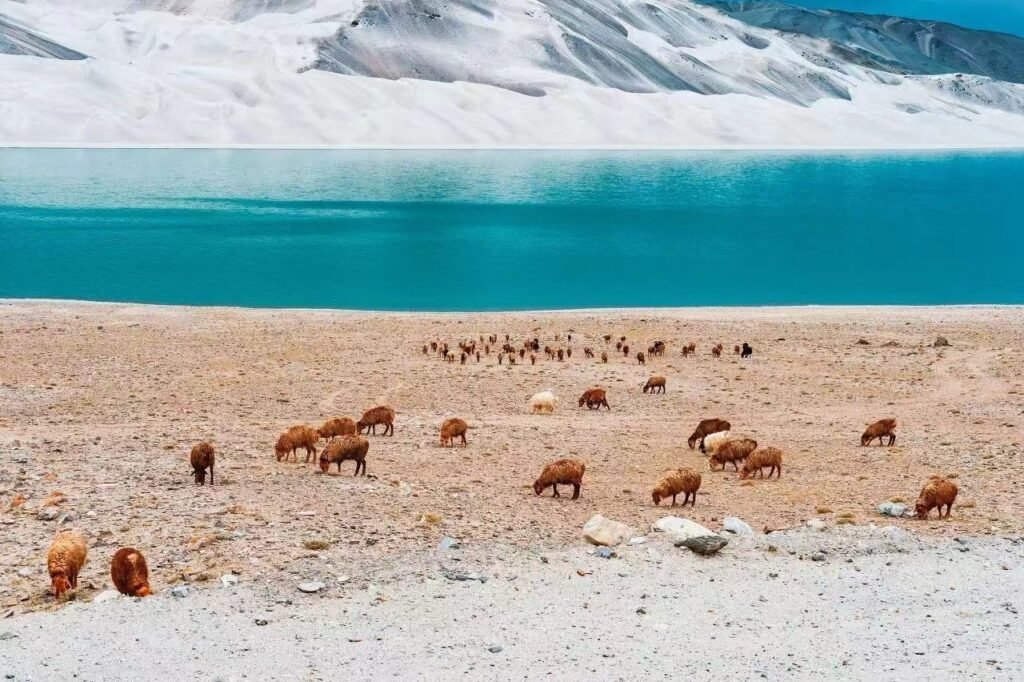
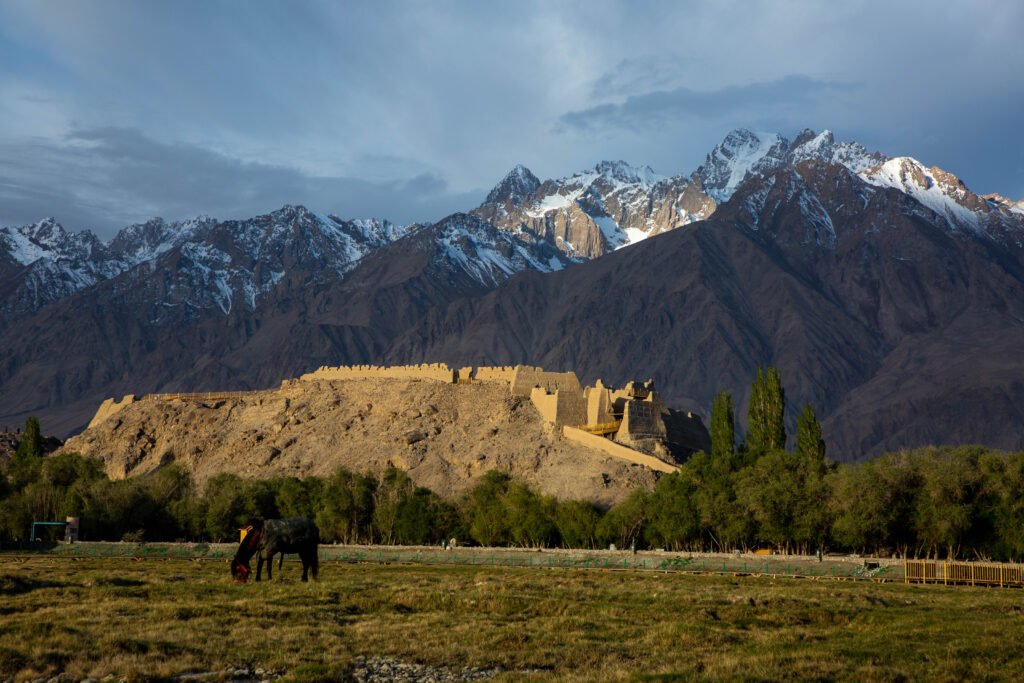
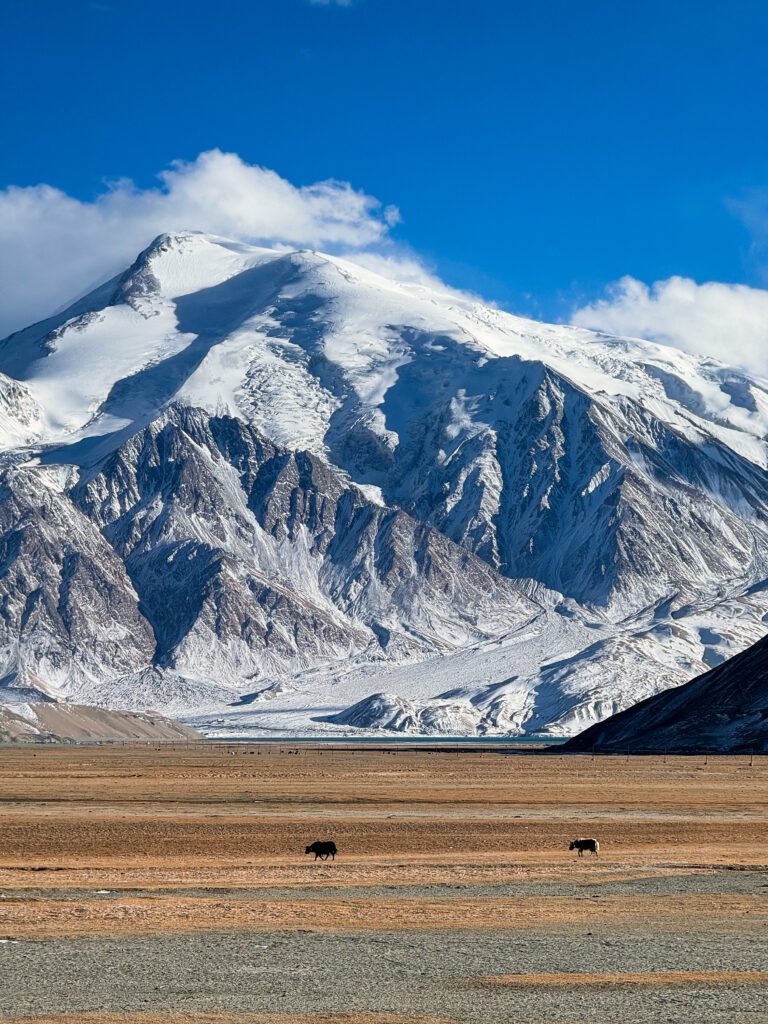
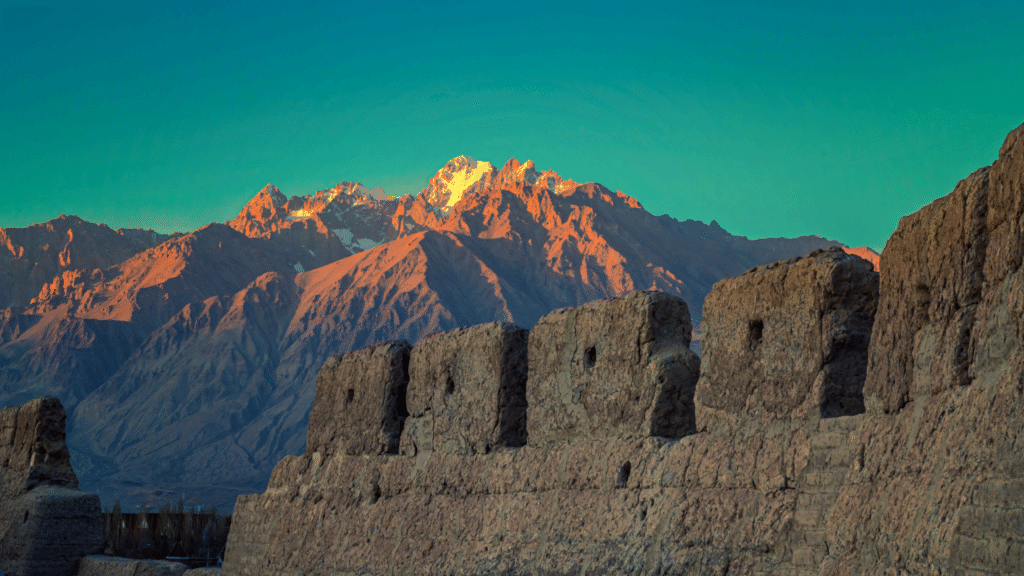
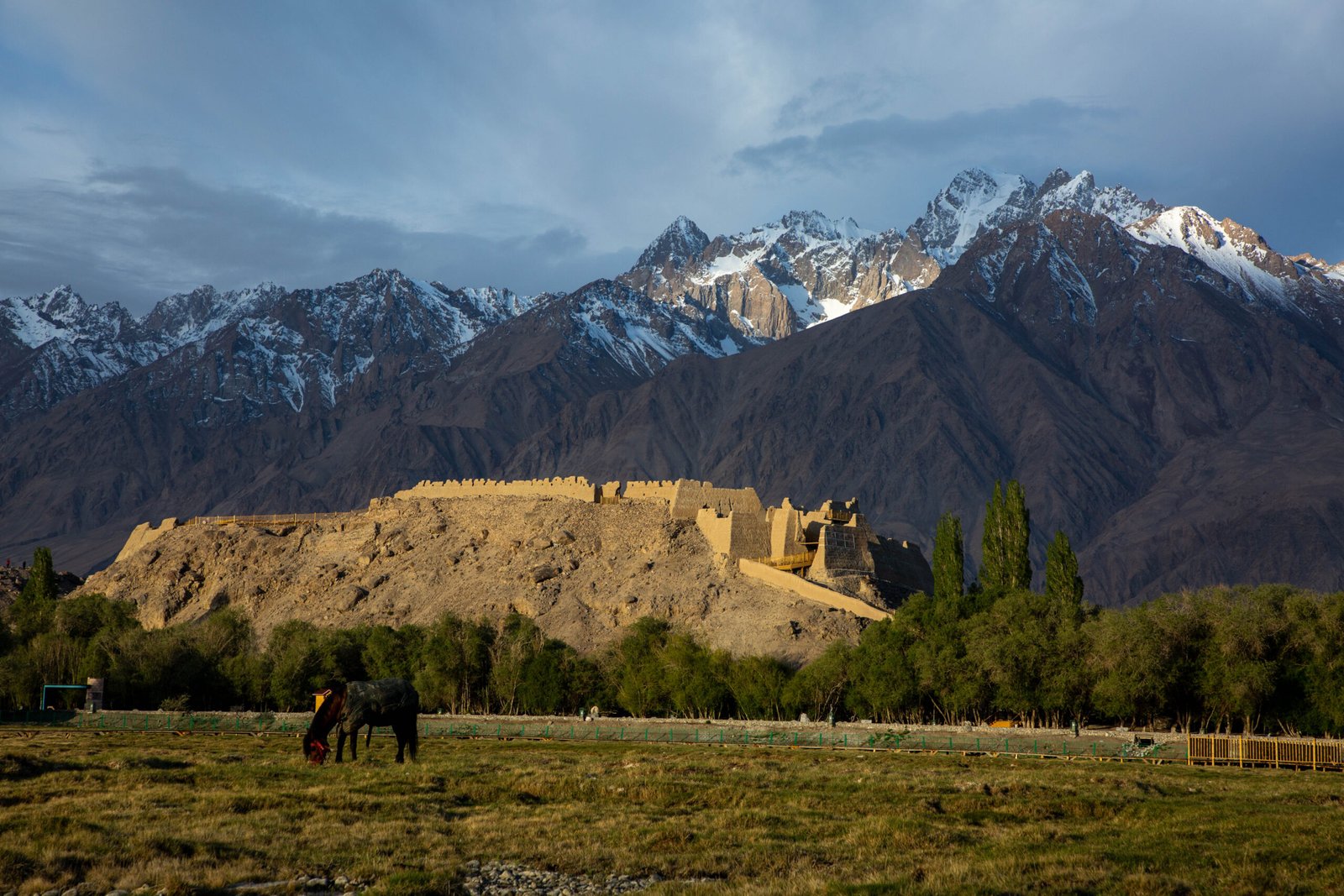
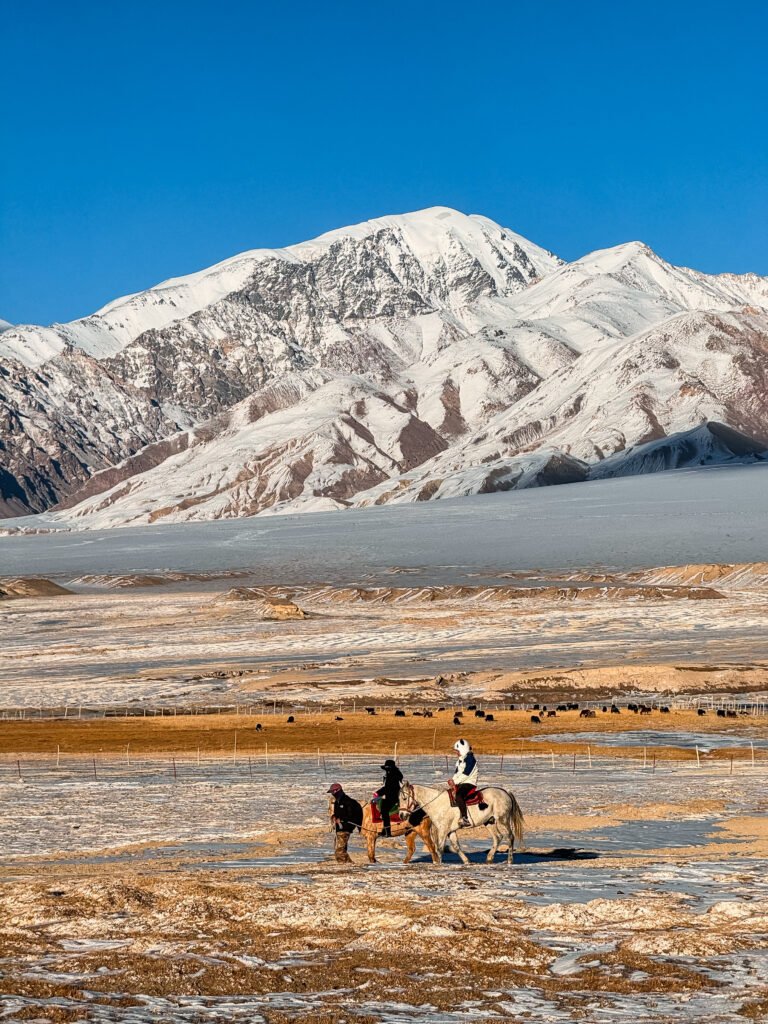
Straddling Xinjiang's southwestern border, the Pamir Plateau averages over 4,000 meters in elevation. This harsh yet breathtaking landscape is home to the Tajik people, China's only white-eyed ethnic group, who maintain ancient nomadic traditions. Key attractions include Karakul Lake, a high-altitude mirror reflecting snow-capped Muztagh Ata, and the 2,000-year-old Stone Fortress in Tashkurgan, a Silk Road outpost. The Karakoram Highway winds through dramatic valleys. Visitors come for untouched scenery, warm Tajik hospitality, and a true sense of adventure at Asia's crossroads.

Eastern Xinjiang: Oasis of Ancient Civilizations

Human & Cultural Identity
Ethnic Groups: A mix of Uyghur, Han, and Hui communities, with Turpan and Hami serving as historical melting pots.

Architecture:

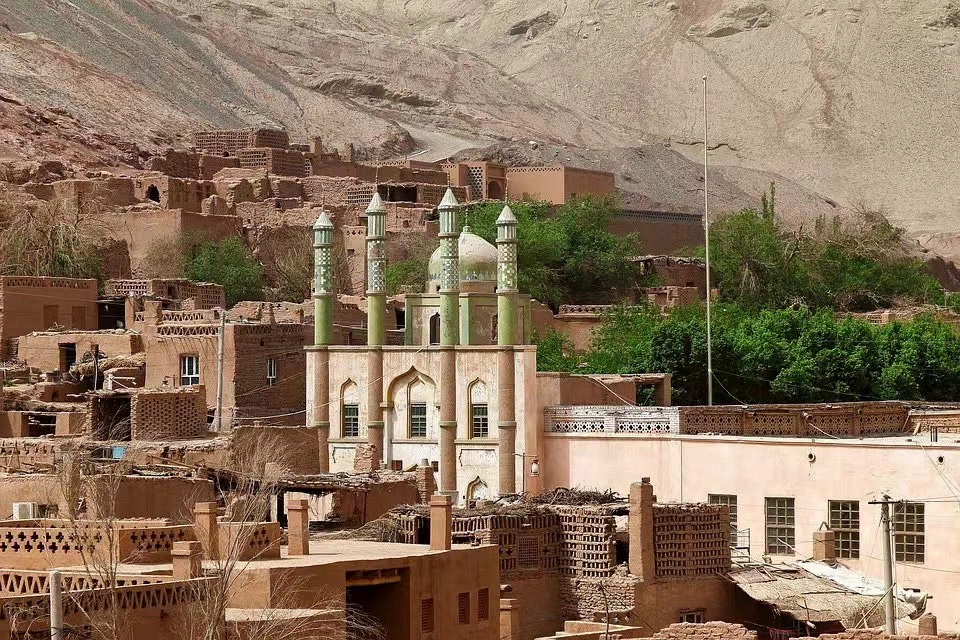
  • Karez Systems: Turpan’s grape-drying houses and underground irrigation canals – a 2,000-year-old engineering marvel

  • Buddhist Legacy: Ruins of Gaochang and Jiaohe ancient cities, remnants of mud-walled stupas and temples

Cultural Highlights:

  • Grape Valley Festivals: Celebrating Turpan’s raisin production with music and dance

  • Multireligious Heritage: Buddhist grottoes (Bezeklik), Islamic mosques, and Han Dynasty fortresses

Attractions:
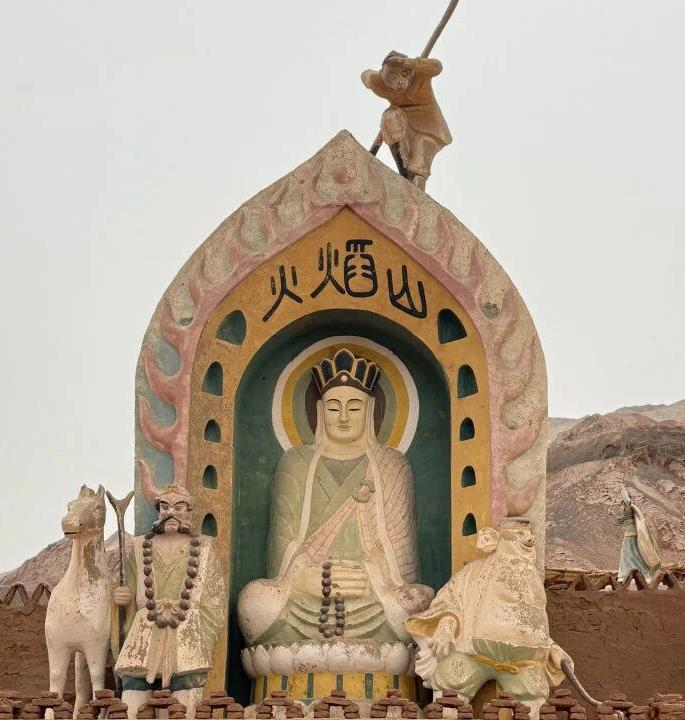
Jiaohe Ancient City, Karez Well System, Flaming Mountains, Bezeklik Thousand Buddha Caves, Emin Minaret, Tuyuq Village

Turpan

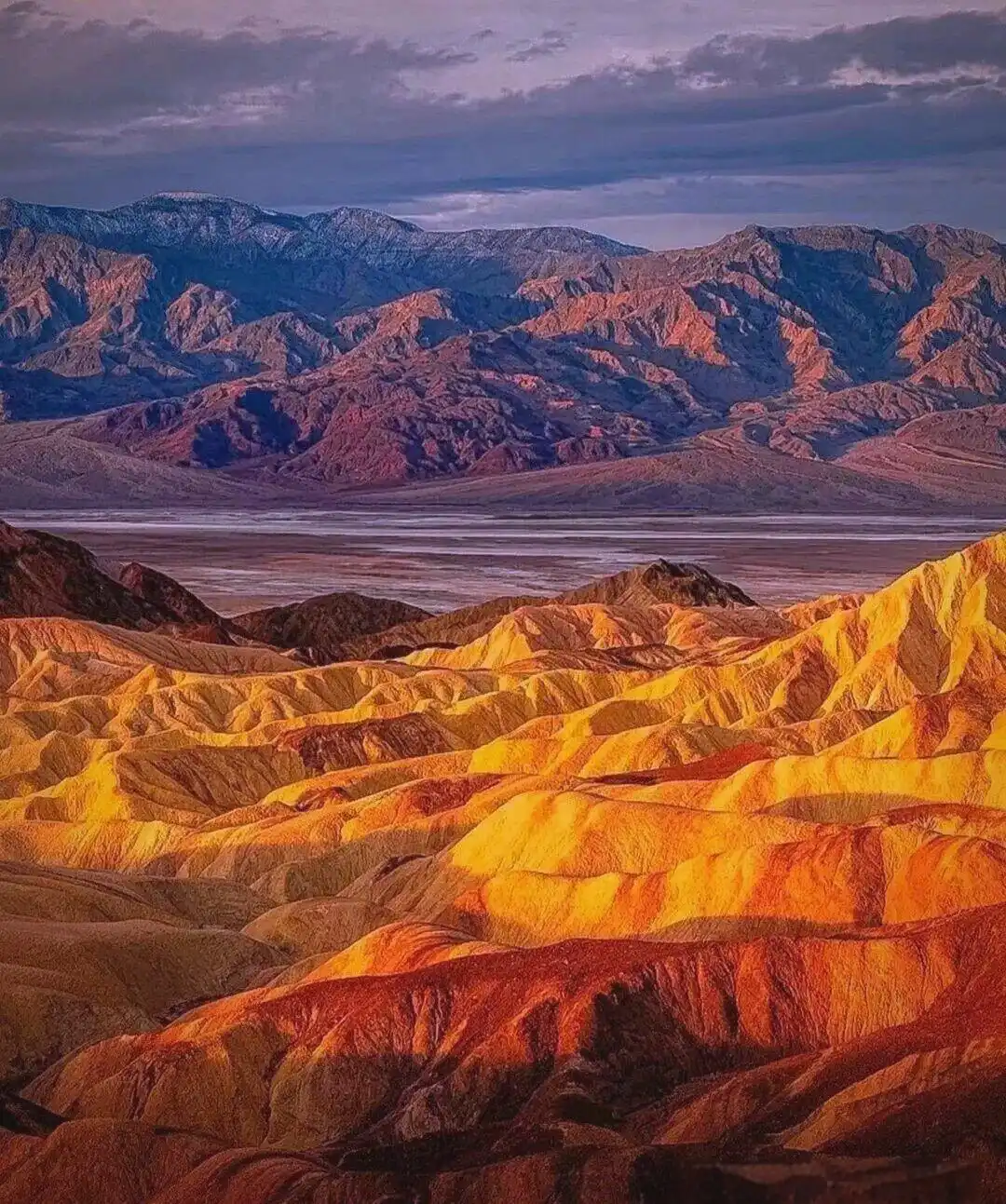
Nestled in eastern Xinjiang, Turpan is China's hottest and lowest basin, yet it thrives as a lush oasis. Its ancient Karez well system – a 2,000-year-old underground irrigation marvel – supports sweet grapes and raisins. Explore ruined cities like Jiaohe and Gaochang, Buddhist caves at Bezeklik, and the fiery red Flaming Mountains. Visit the Emin Minaret, Tuyuq Village, and colorful Grape Valley festivals. A melting pot of Uyghur, Han, and Hui cultures, Turpan offers a unique blend of desert drama, ancient Silk Road history, and oasis abundance.

Happy Travelers Share Their Experiences

Stories from   Satisfied   Customers

WHY CHOOSE US

You know that feeling right? Where there’re more choices, the harder it is to decide.

Well, not with Tag Travel! We’re the honest exception – local, reliable, and transparent with all the tours you need!

Insider Access

Travel with true Xinjiang natives. We offer firsthand, authentic perspectives and access that typical tours cannot provide.

Your Vision, Realized

We don’t offer fixed packages. Every itinerary is built from scratch around your interests, pace, and dreams.

We Speak Your Language

Having lived and studied abroad, we bridge cultural and communication gaps, ensuring you are understood and cared for.

Beyond the Checklist

We design experiences, not just sightseeing. Connect with local culture, nature, and people in meaningful, memorable ways.

Seamless & Supported

Enjoy 24/7 local support throughout your journey. We handle logistics and solve issues, so you can immerse yourself stress-free.

The Xinjiang Advantage

Our deep, personal knowledge of the region—from hidden landscapes to seasonal nuances—guarantees a trip that is both smooth and extraordinary.