Introduction to Xinjiang
Xinjiang, officially the Xinjiang Uygur Autonomous Region, is situated in northwestern China. As the country's largest provincial-level division, it spans approximately 1.66 million square kilometers, accounting for roughly one-sixth of China's total territory.
Xinjiang shares borders with eight nations: Russia, Kazakhstan, Kyrgyzstan, Tajikistan, Pakistan, Mongolia, India, and Afghanistan, positioning it as a vital gateway for China's connections with Central and Western Asia.
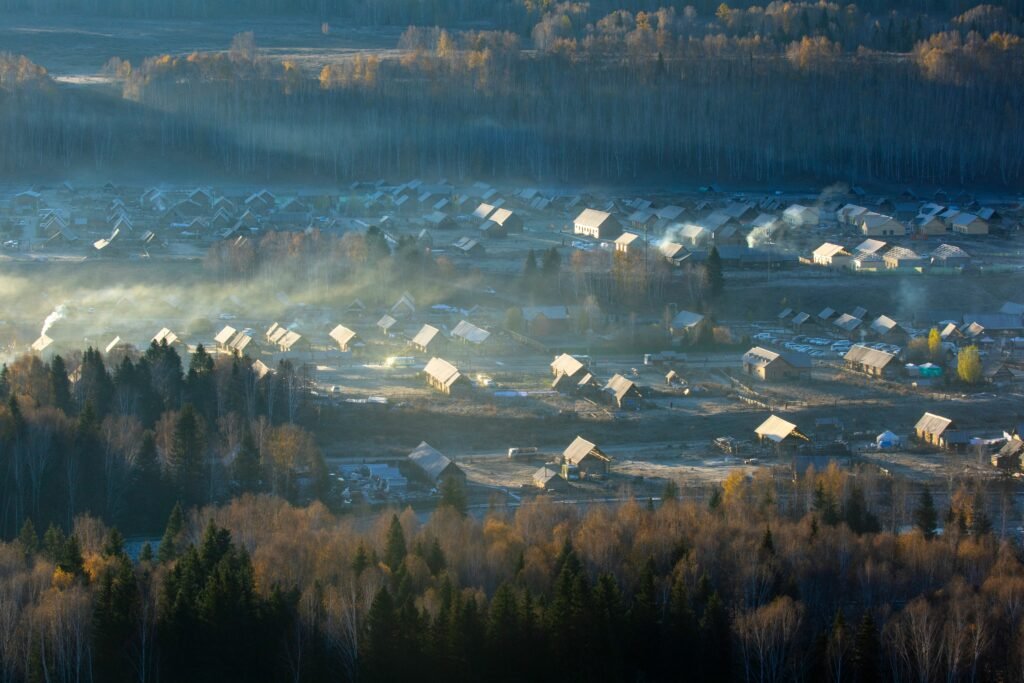
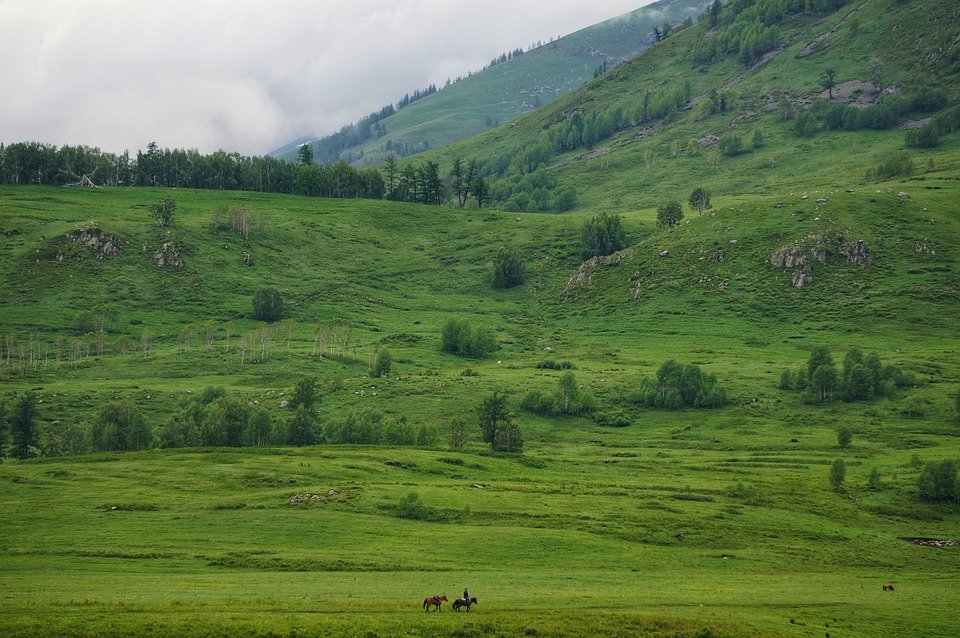
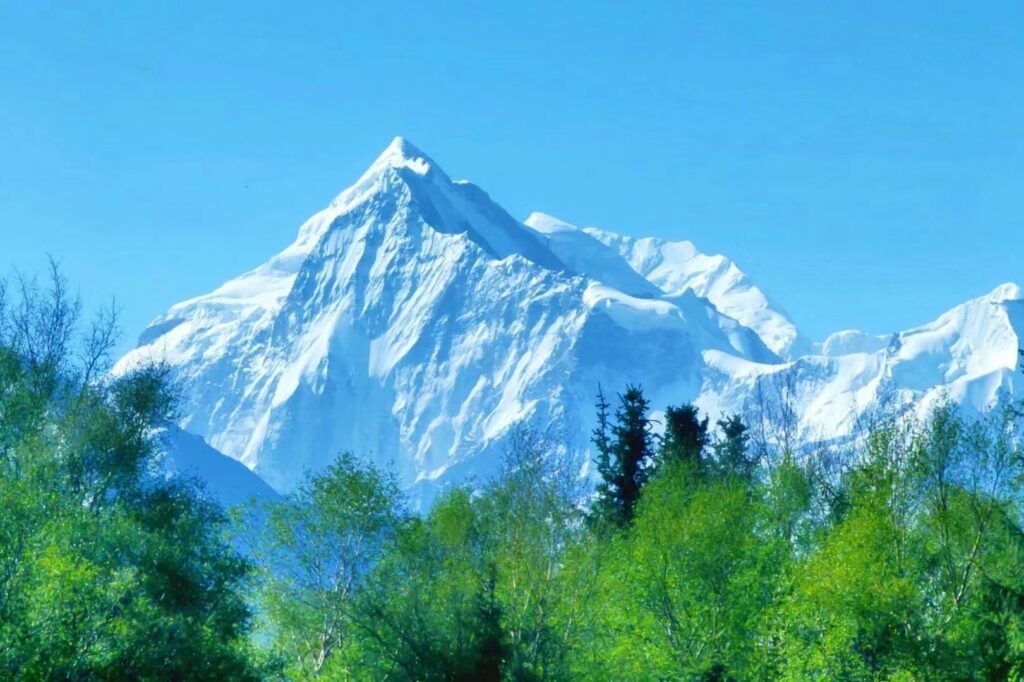
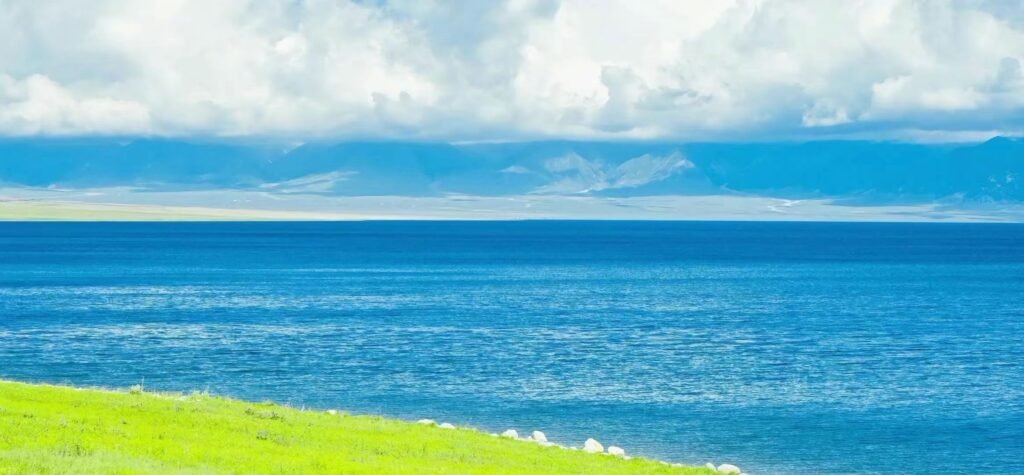
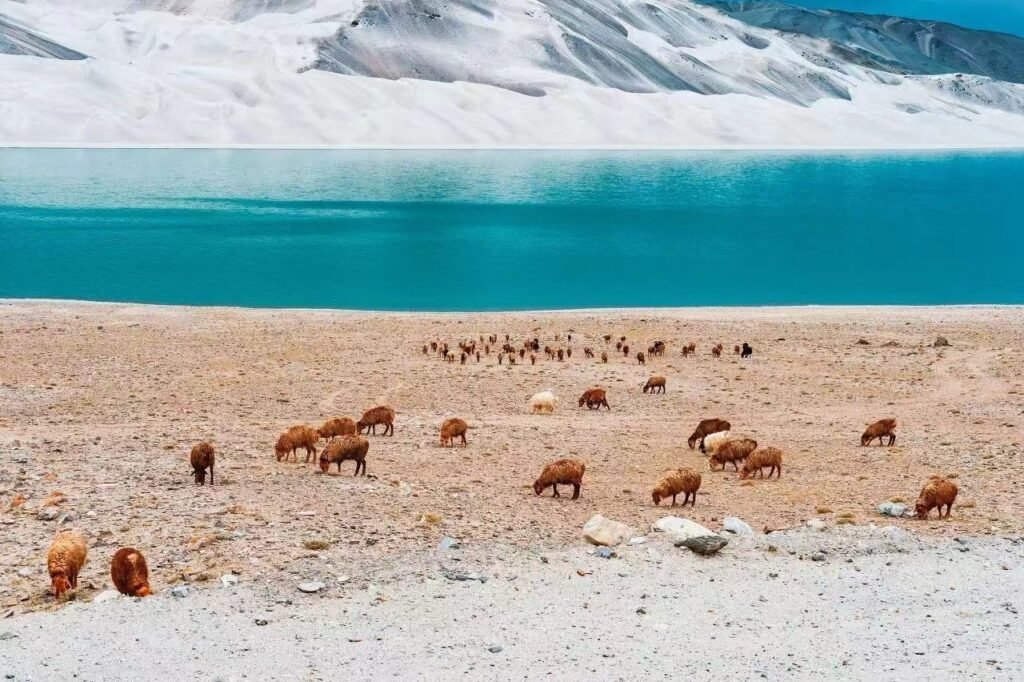
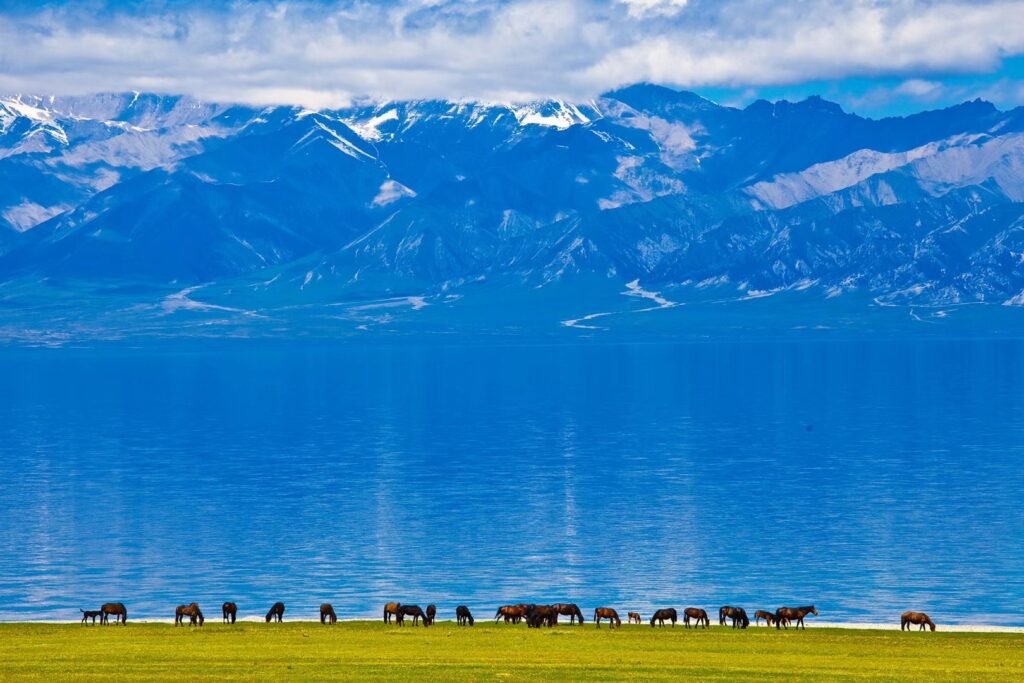
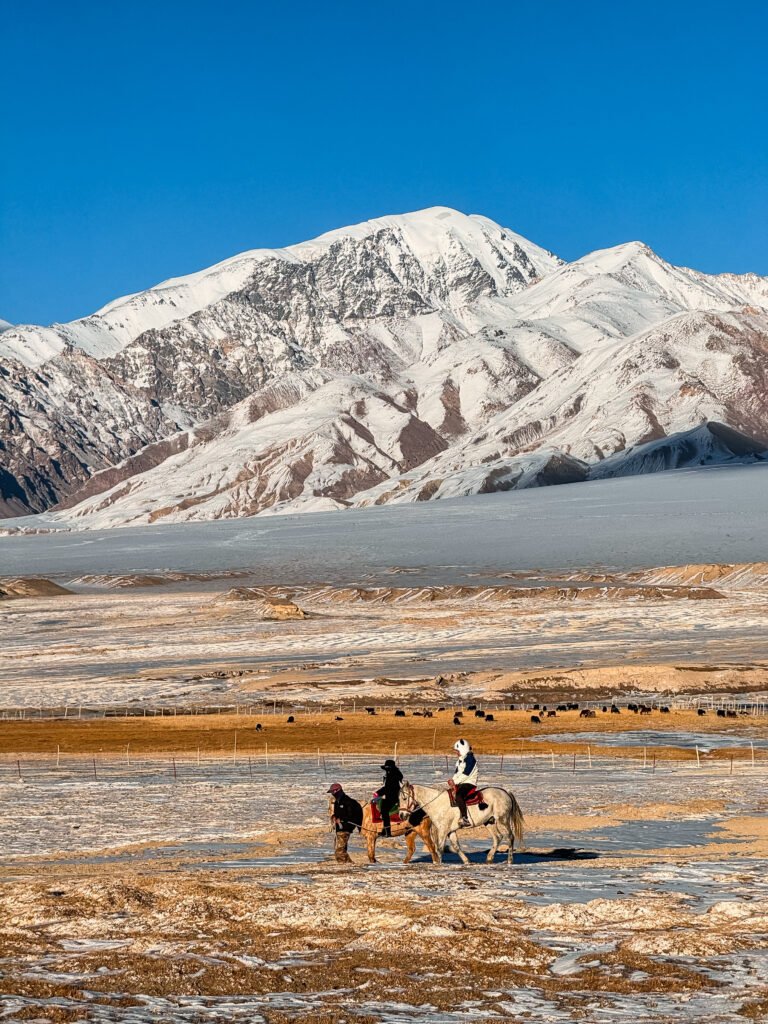
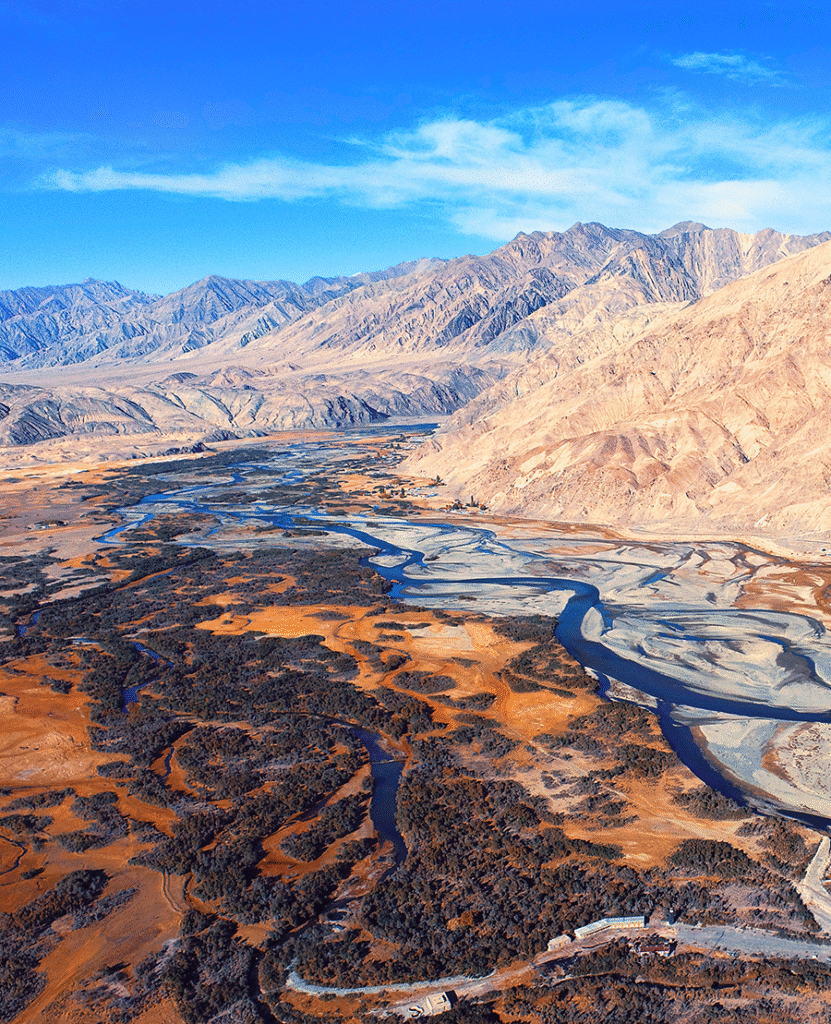
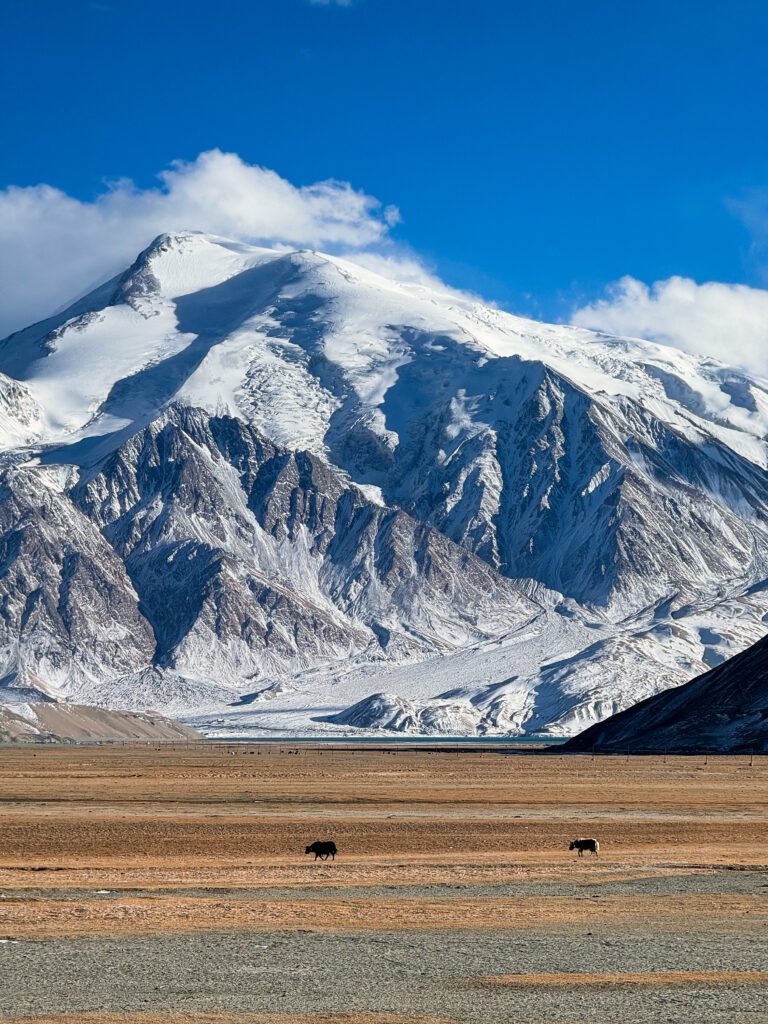
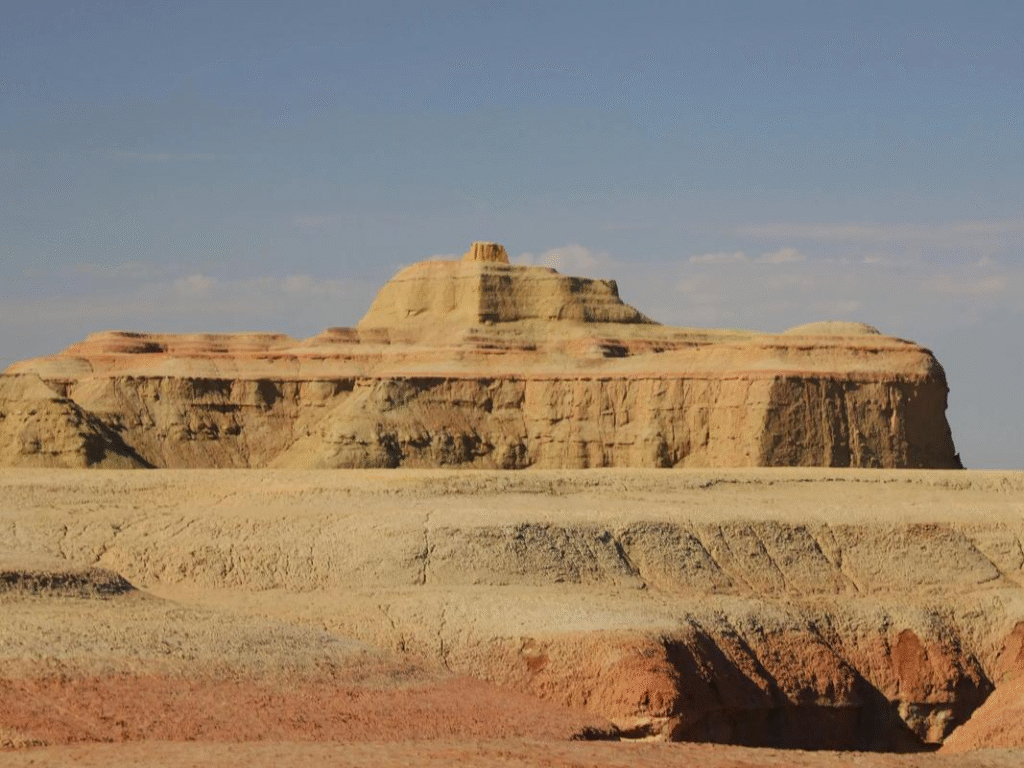
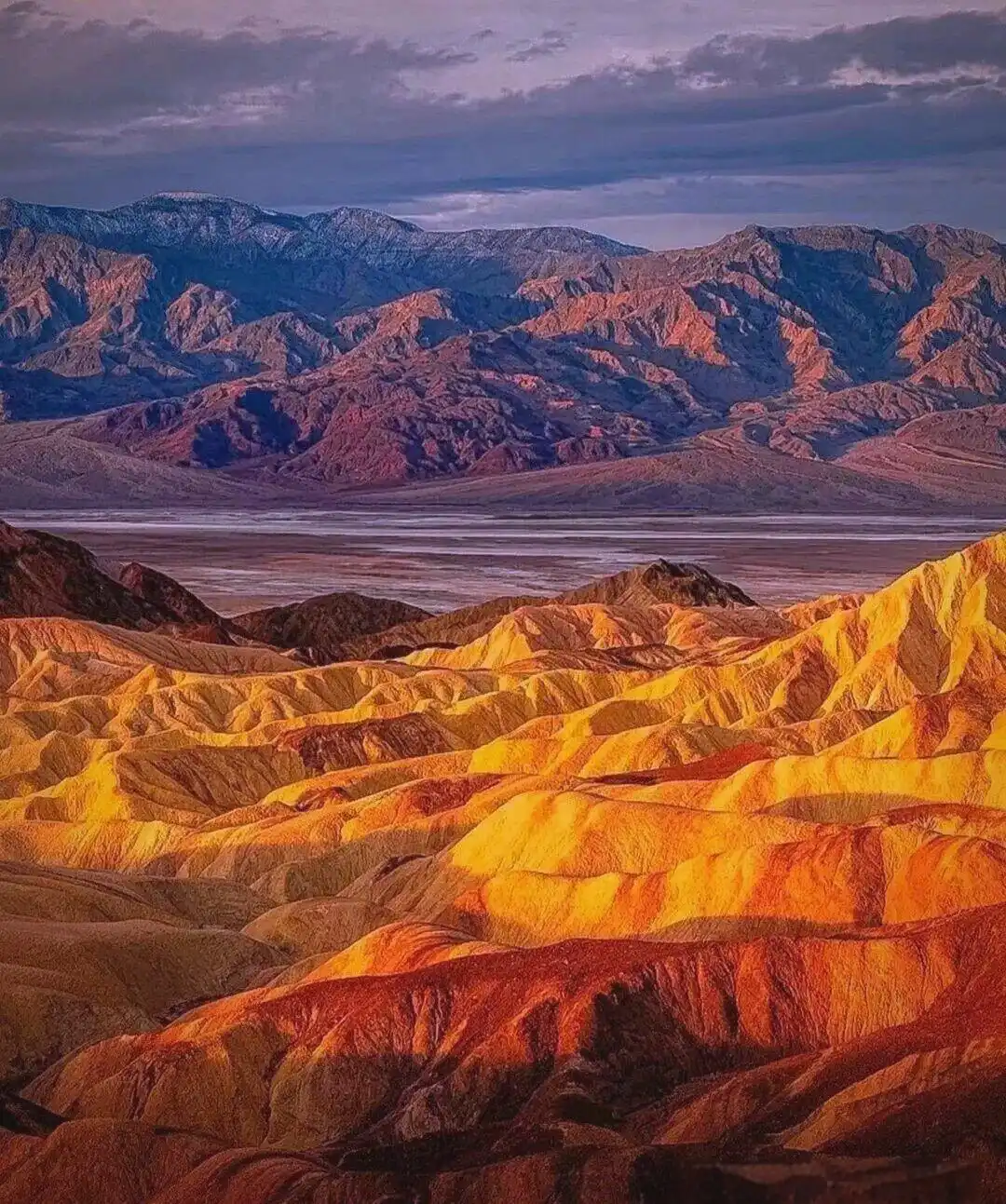
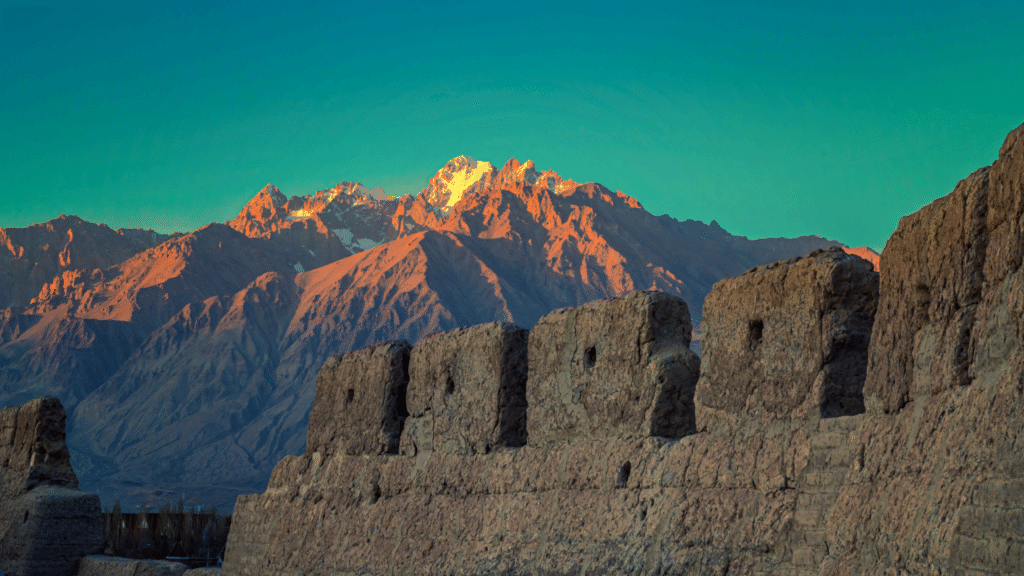
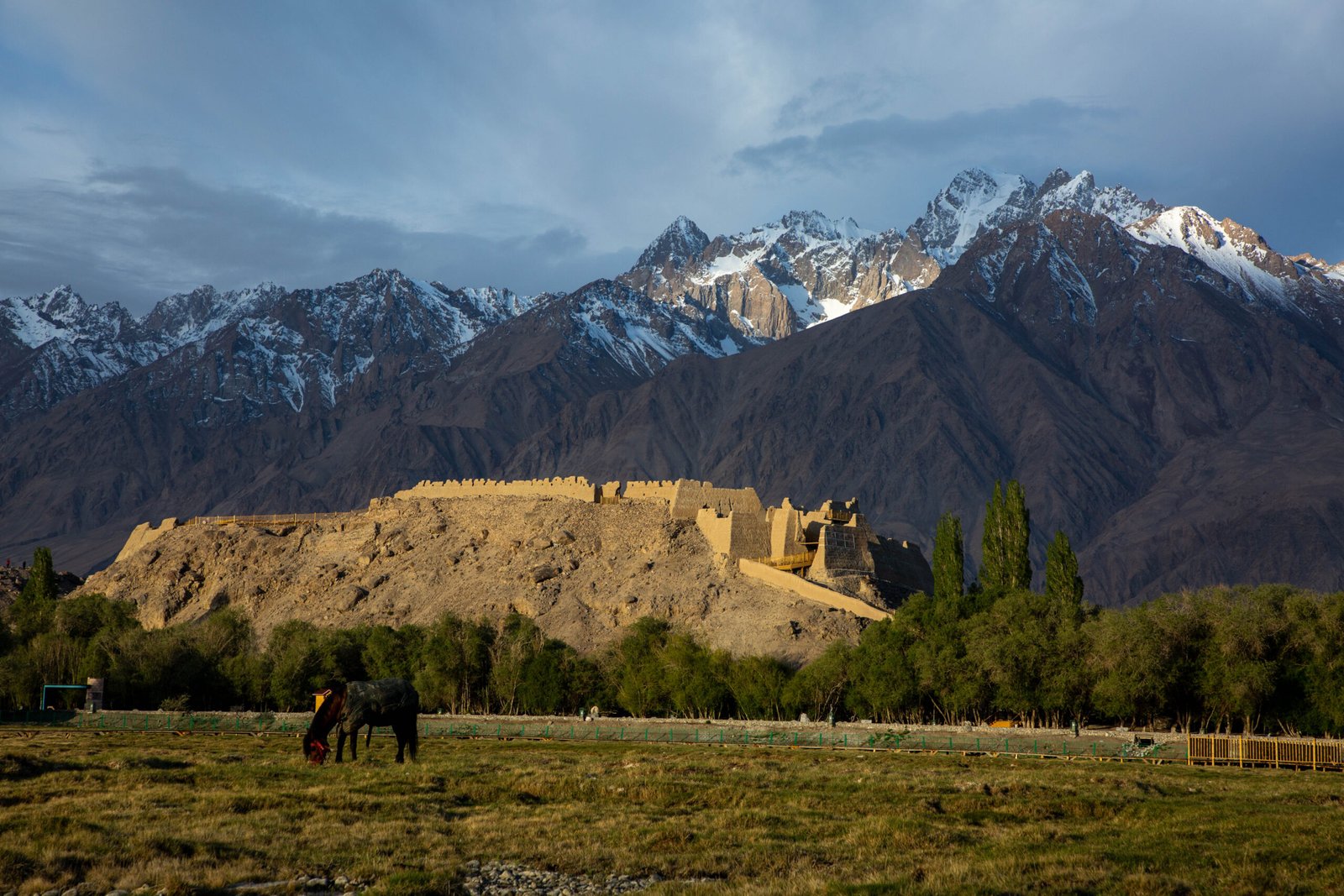
Xinjiang’s geography is remarkably diverse, encompassing vast deserts like the Taklamakan, majestic mountain ranges such as the Tianshan and Kunlun, and fertile basins including the Tarim and Junggar.
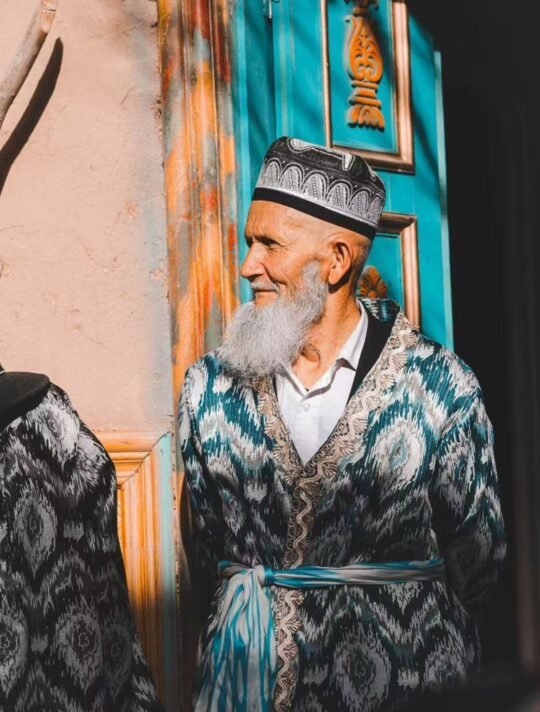
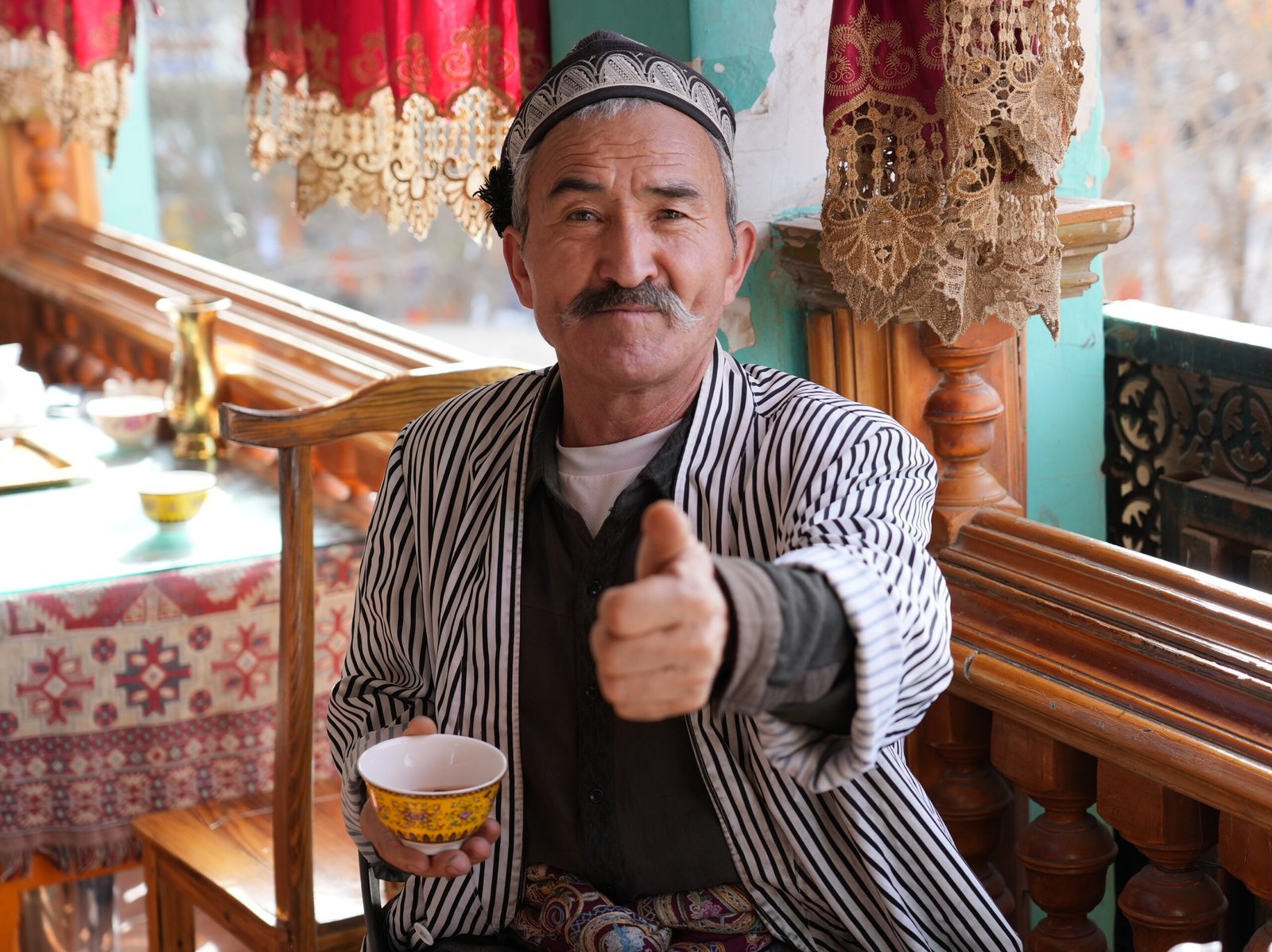
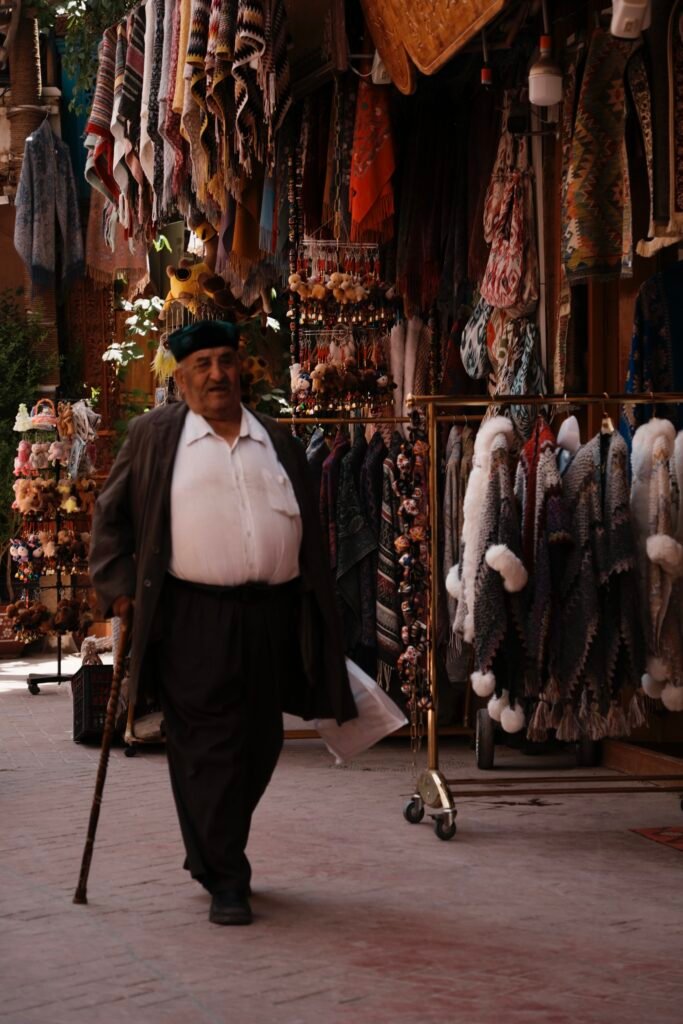
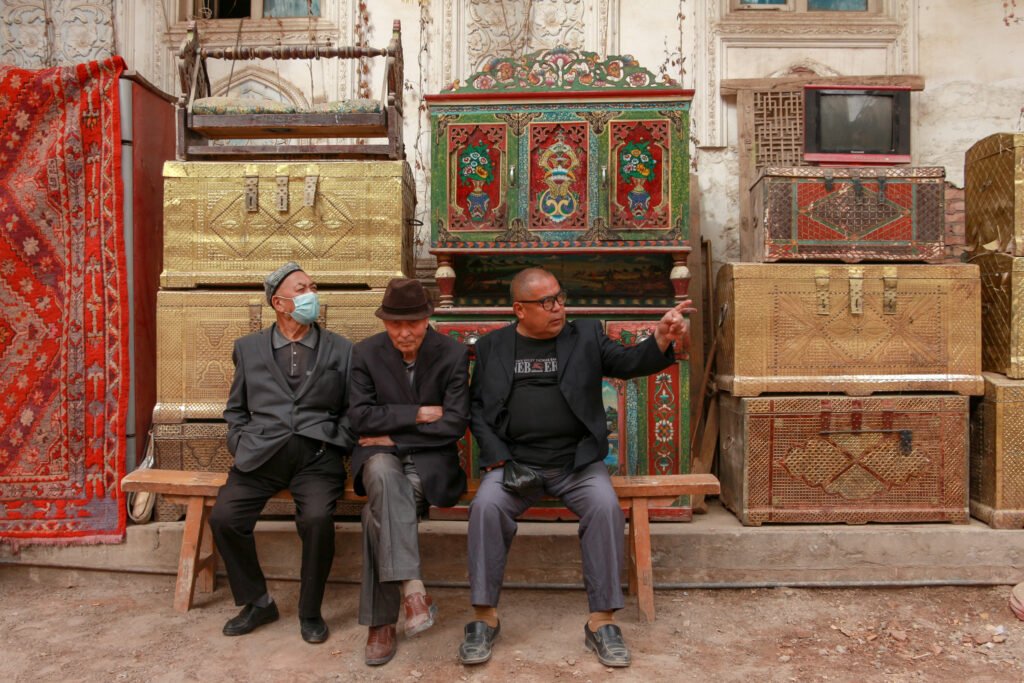
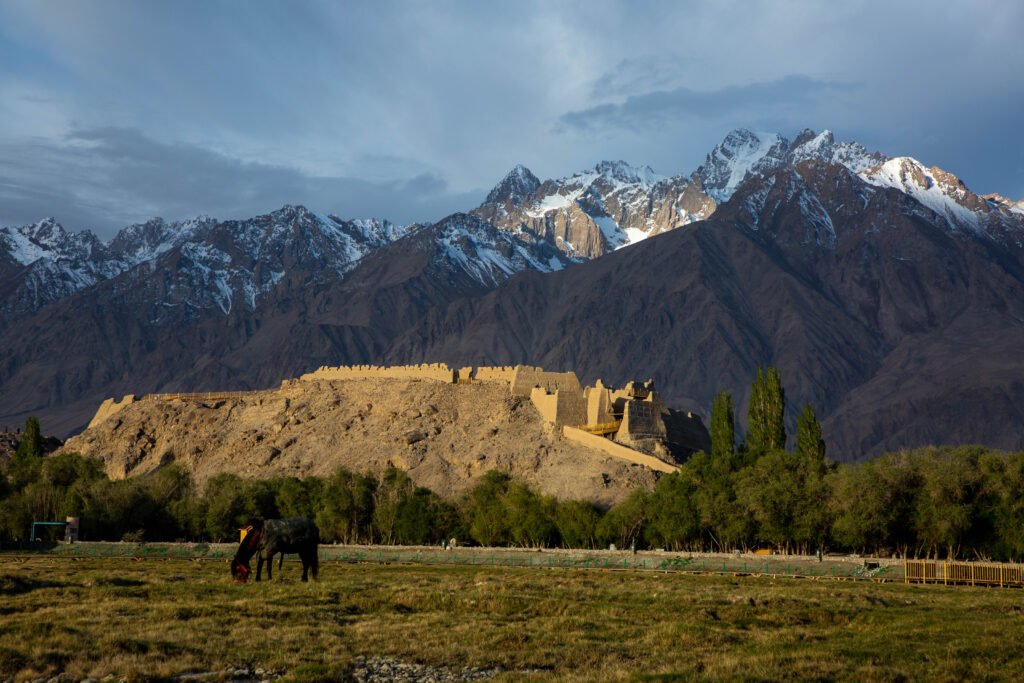
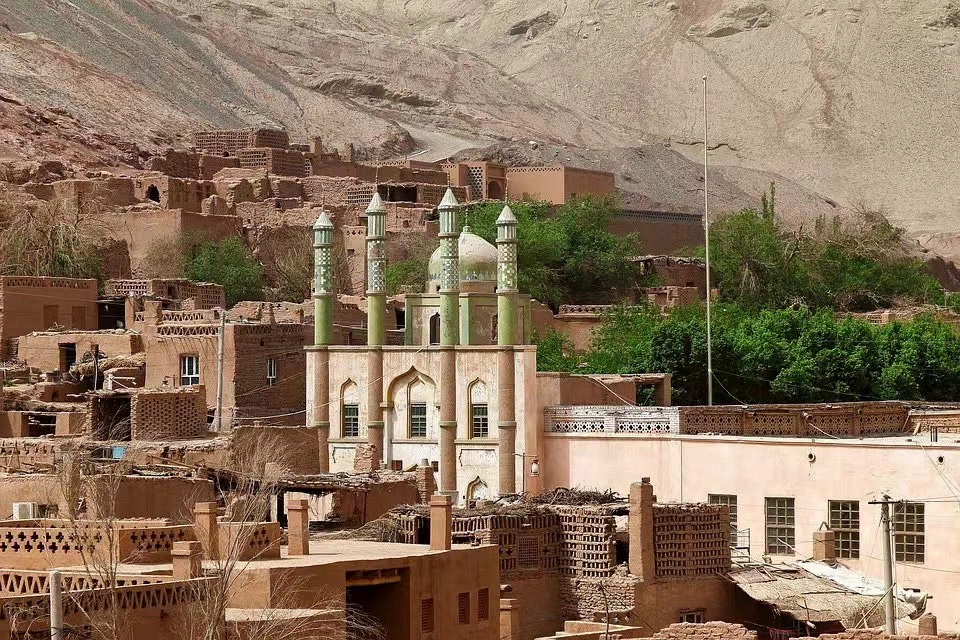
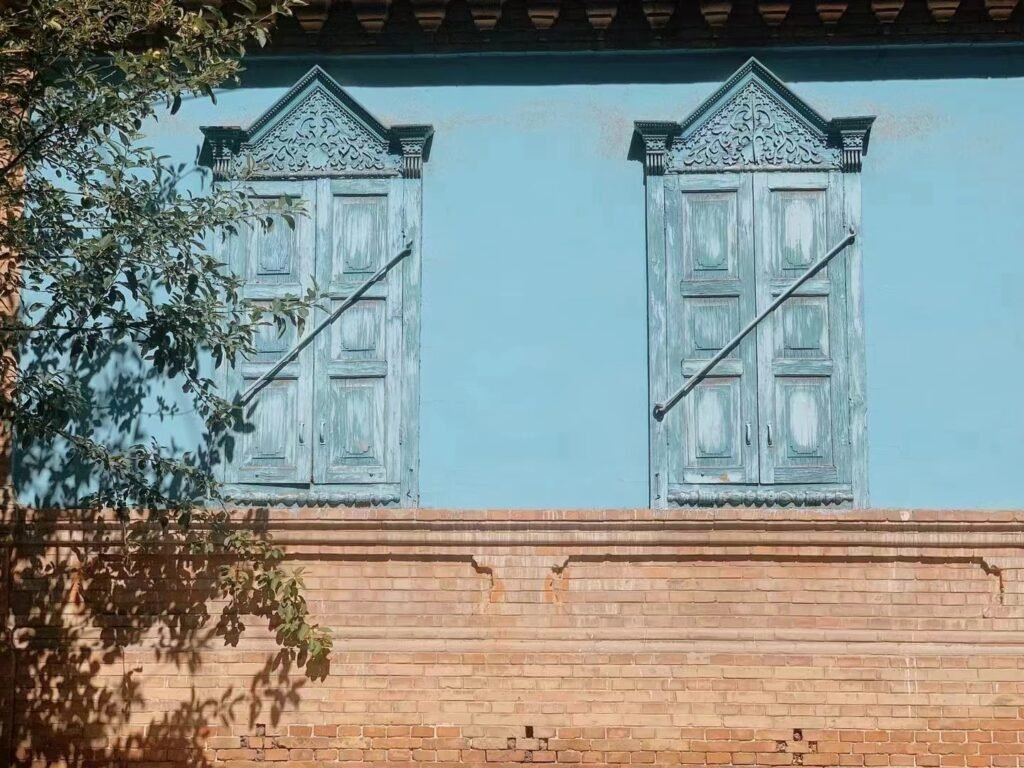
Xinjiang is home to over a dozen ethnic groups, including Uyghur, Han, Kazakh, and Hui. This rich tapestry blends diverse languages, crafts, cuisines, and traditions — from Islamic architecture to Central Asian music — creating a unique cultural crossroads along the ancient Silk Road.